-
E-mail
714107477@qq.com
-
Phone
15079107852
- Address
Product Categories
Weishu Machinery Technology (Shanghai) Co., Ltd

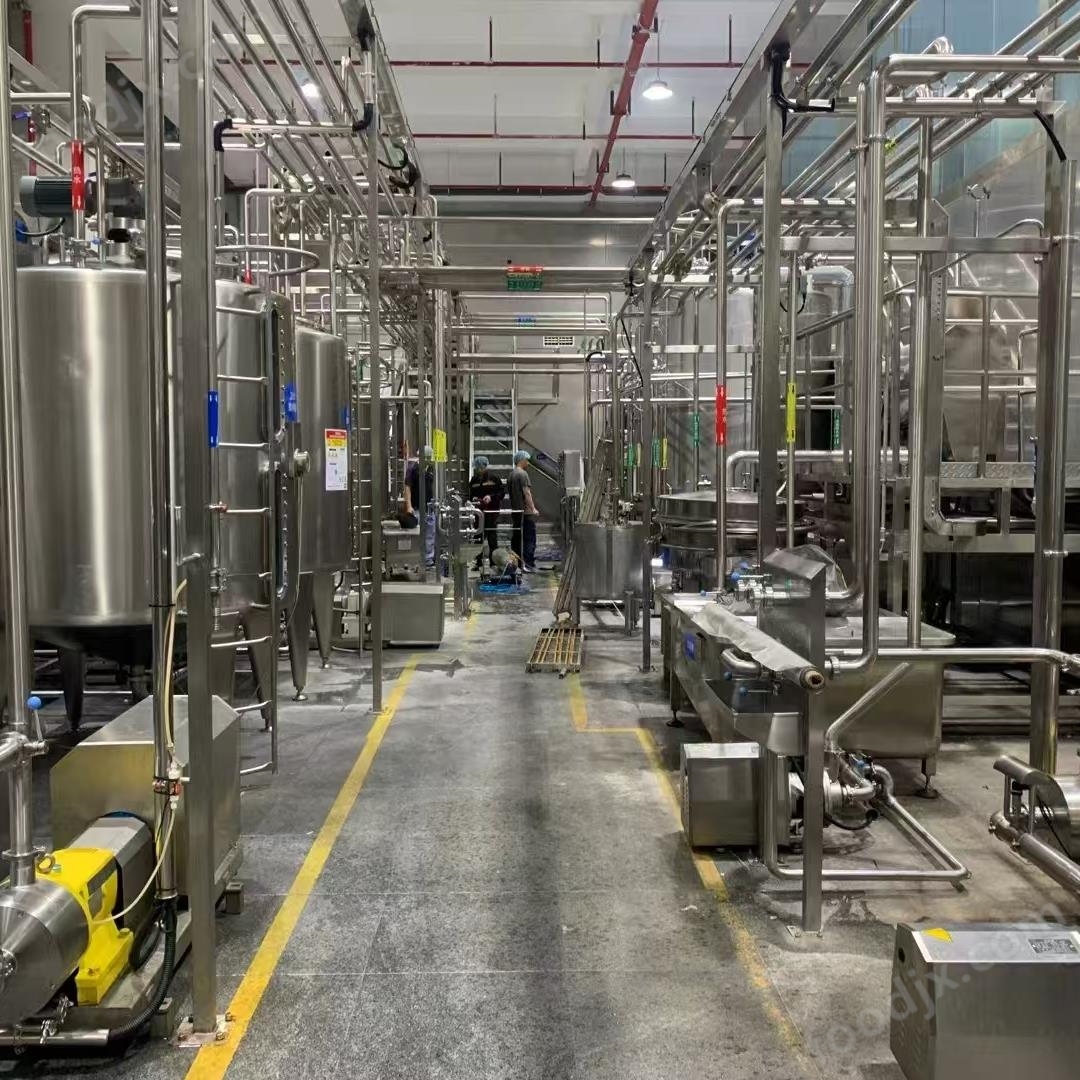
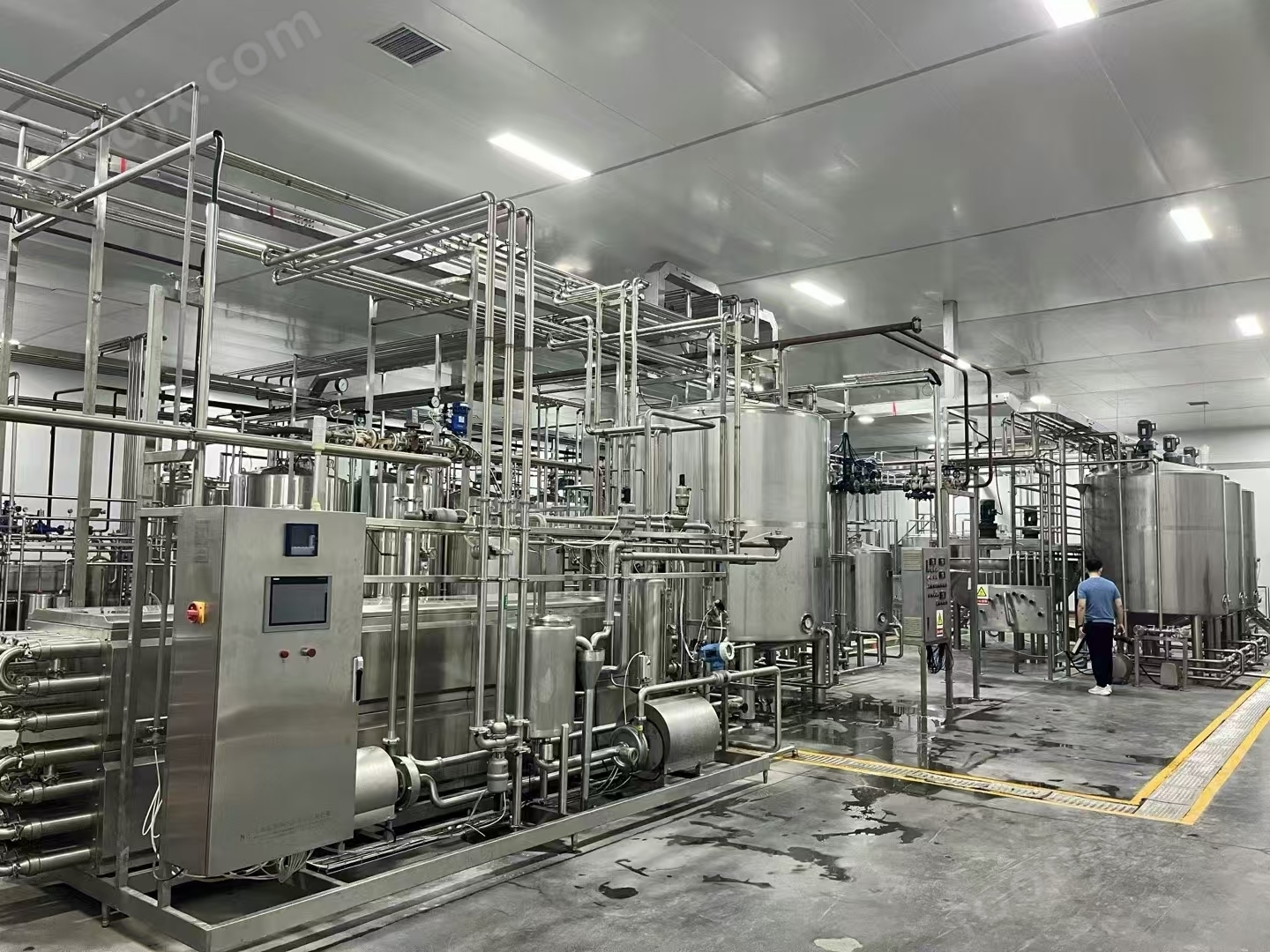
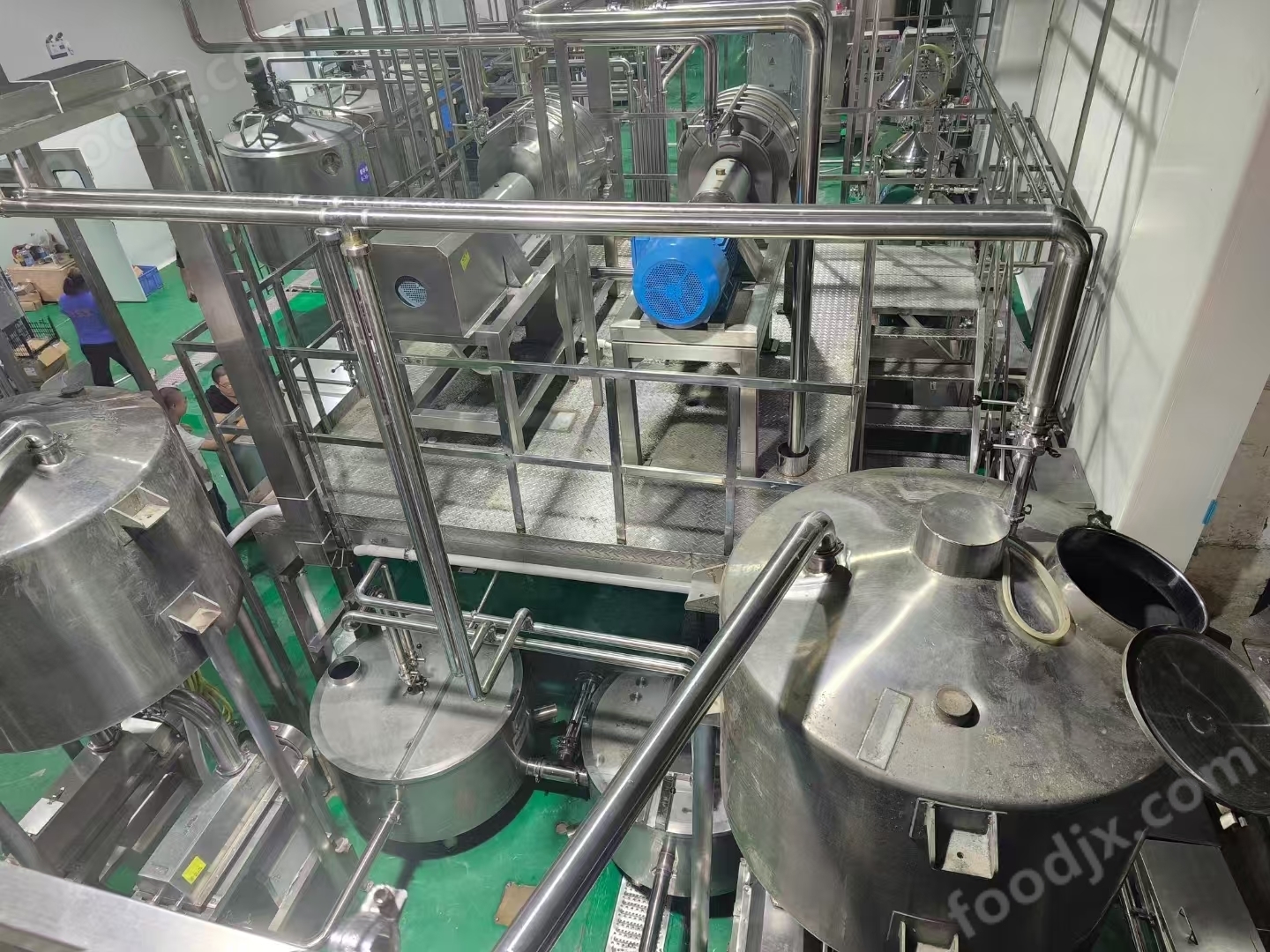
Lemon juice production line equipment
NegotiableUpdate on 01/05
- Model
- Nature of the Manufacturer
- Producers
- Product Category
- Place of Origin
Overview
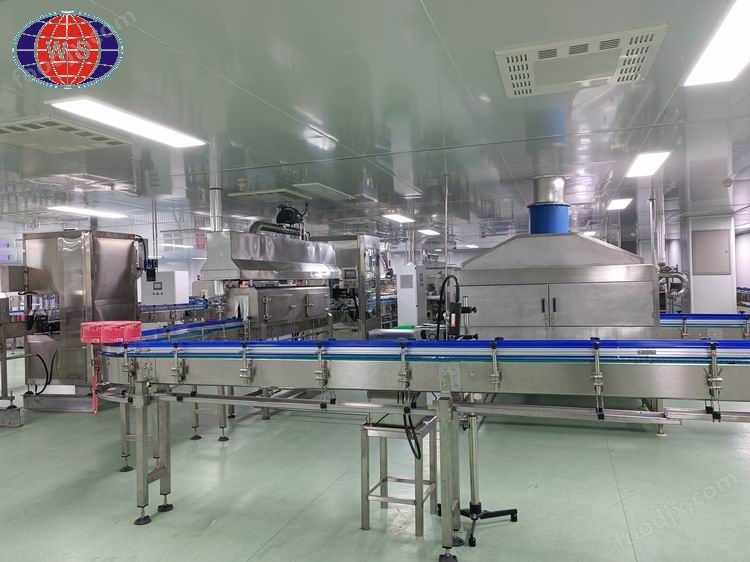
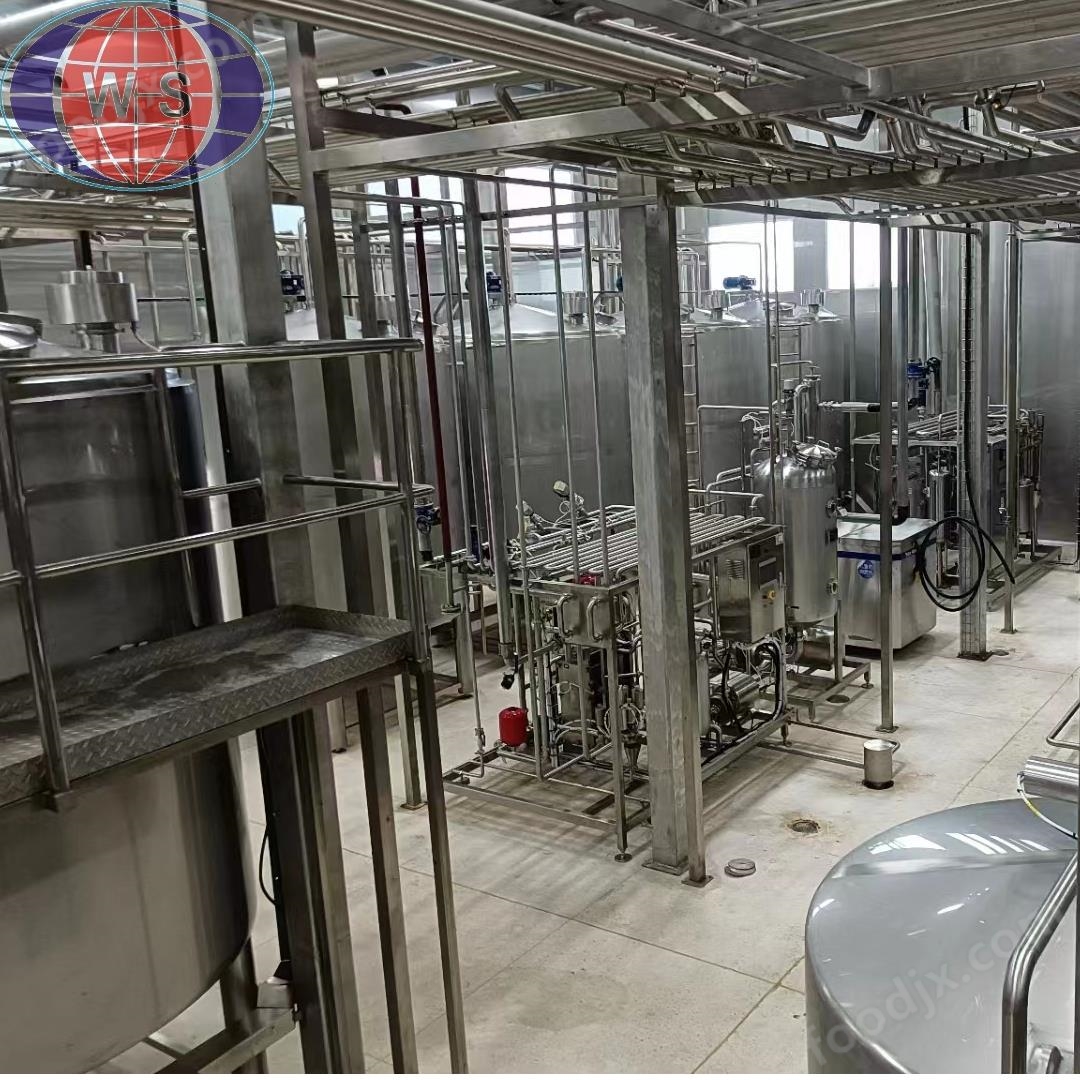
The lemon juice production line is a fully automated production system that converts fresh lemons into high-quality lemon juice, covering the entire process from raw material processing to product packaging. This production line aims to ensure stable product quality, improve production efficiency, and ensure food safety. A typical lemon juice production line includes processes such as raw material cleaning, juice extraction, filtration, sterilization, filling, and packaging. In order to meet the needs of different consumers, the production line may make different adjustments based on market demand and product types.
Product Details
The lemon juice production line is a fully automated production system that converts fresh lemons into high-quality lemon juice, covering the entire process from raw material processing to product packaging. This production line aims to ensure stable product quality, improve production efficiency, and ensure food safety. A typical lemon juice production line includes processes such as raw material cleaning, juice extraction, filtration, sterilization, filling, and packaging. In order to meet the needs of different consumers, the production line may make different adjustments based on market demand and product types.
1、 Raw material processing and cleaning
The quality of lemon juice first depends on the selection and processing of raw materials. High quality lemons are a prerequisite for ensuring product quality.
1.1 Lemon selection
The quality of lemon directly affects the flavor, color, and nutritional content of lemon juice. Choosing mature and pest free lemons is the key to producing high-quality lemon juice. The acidity and sweetness of lemon should be moderate, not too sour or too sweet, which helps to ensure the taste of lemon juice.
1.2 Raw material cleaning
Clean the lemon before it enters the production line. The cleaning process generally includes the following steps:
Washing: Use a spray system to remove dirt, impurities, and other contaminants from the surface of lemons.
Pesticide residue removal: the pesticide residue on the surface of lemon can be removed by soaking or spray with special cleaning agent to ensure the safety of the product.
Hot water disinfection: Put lemon into hot water for disinfection treatment, effectively removing bacteria, mold and other microorganisms.
Through these cleaning processes, contaminants on the surface of the lemon will be removed, ensuring that the lemon entering the juicing stage is safe and clean.
2、 Juice Extraction and Filtration
2.1 Juice Extraction Process
Juice extraction is the core process in lemon juice production. Modern production lines typically use fully automated juice extraction equipment, which can improve production efficiency while maintaining juice quality. The juicing process mainly includes:
Cutting and crushing: Lemons are cut or crushed into small pieces for subsequent juicing. Separate the fruit peel from the flesh using a knife or pressure to extract juice.
Mechanical juicing: Specialized juicing equipment is used to extract all the juice from the lemon, while avoiding the entry of fruit peels and seeds. According to the principle of juicing, common equipment includes press juicers and centrifugal juicers.
Juice extraction rate control: During the juice extraction process, the equipment needs to precisely control the pressure and time to ensure a high extraction rate of lemon juice without damaging the flavor and nutritional content of the lemon.
2.2 Filtration and slag removal
The squeezed lemon juice contains a certain amount of fruit pulp, pomace, and fiber, which can affect the clarity and taste of the lemon juice. Therefore, the filtering process is very important.
Preliminary filtration: Use a sieve or filter element to preliminarily filter the juice and remove most of the fruit residue.
Fine filtration: Fine filtration equipment is used for meticulous filtration to ensure the clarity and transparency of lemon juice.
Removing fruit acid precipitation: Due to the high content of acidic substances in lemons, precipitation may occur during storage. Therefore, during the filtration process, it is necessary to handle acidic precipitates to ensure the clarity of the juice.
3、 Sterilization treatment
Lemon juice is a perishable food that requires sterilization during its production process to ensure long-term preservation and food safety.
3.1 Pasteurization method
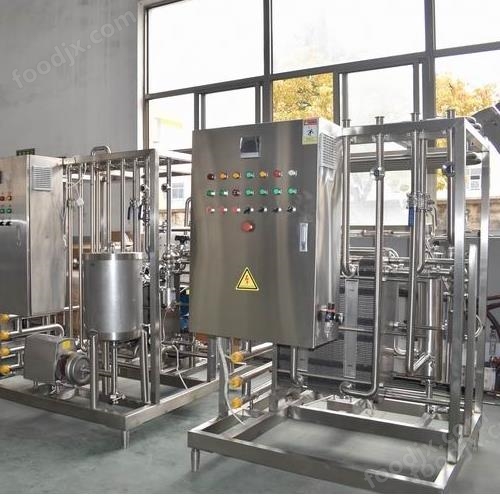
Pasteurization is one of the common techniques in fruit juice sterilization treatment, which is suitable for most fruit juice products.
Sterilization temperature and time: Generally, it is processed at a temperature of 60 ° C to 85 ° C and maintained for 15 to 30 seconds to kill most microorganisms without losing too much nutrients and flavor.
Effect and advantages: This method can effectively kill bacteria, yeast, and mold in lemon juice while maintaining the original flavor and nutritional content of lemon juice.
3.2 High temperature instantaneous sterilization
High temperature instantaneous sterilization is a modern sterilization technology that rapidly heats lemon juice to above 90 ° C and then rapidly cools it, which can eliminate bacteria and maintain the quality of the juice in a short period of time.
Applicability: Suitable for lemon juice that requires large-scale production and has high requirements for flavor and nutrition.
3.3 Aseptic filling
Aseptic filling technology is a technique used to avoid secondary contamination after lemon juice packaging. Aseptic filling directly fills sterilized lemon juice into containers that have been sterilized, and prevents air from entering through sealing, effectively extending the shelf life of the product.
4、 Packaging process
Packaging is not only to ensure the safety and shelf life of lemon juice, but also to provide convenience for product sales and display. There are usually several ways to package lemon juice:
4.1 Packaging Materials
Glass bottle: Glass bottles can provide better sealing and UV resistance, effectively protecting the flavor of lemon juice.
PET bottles: PET bottles are a common packaging material with the advantages of being lightweight, drop resistant, and transparent, making them suitable for the daily consumer goods market.
Aluminum foil bag: The aluminum foil bag adopts aseptic filling technology, effectively blocking oxygen and ultraviolet rays, maintaining the freshness and nutritional content of lemon juice, and is suitable for long-term storage.
4.2 Filling process
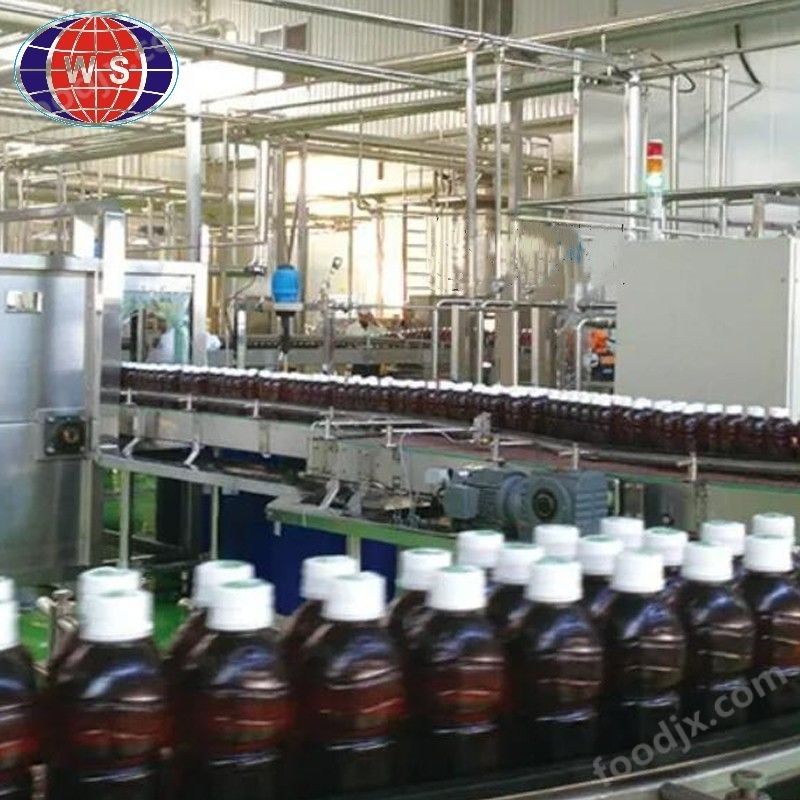
During the filling process, special attention should be paid to hygiene and precision to ensure that the amount of lemon juice in each bottle is consistent and free from contamination. Automated filling equipment can efficiently complete this process and reduce the risks associated with manual operations.
Automated filling equipment: Efficient automated filling machines can accurately fill according to the set amount, reduce waste, and maintain filling stability.
Sealing and labeling: After packaging is completed, the container is sealed using an automatic sealing device and labeled with the production date, shelf life, and ingredient information for each package.
Lemon Juice Production LineEquipment parameters: (for reference, specific according to process requirements)
| Device Model | hourly output | steam consumption | power consumption | Required workshop area |
| SWGZ-2000 | 2000 bottles | 500KG | 100KW | 500㎡ |
| SWGZ-4000 | 4000 bottles | 1000KG | 150KW | 800㎡ |
| SWGZ-6000 | 6000 bottles | 2000KG | 200KW | 1000㎡ |
| SWGZ-10000 | 10000 bottles | 3000KG | 350KW | 1500㎡ |
| SWGZ-15000 | 15000 bottles | 4000KG | 420KW | 2000㎡ |
| SWGZ-24000 | 24000 bottles | 6000KG | 500KW | 2500㎡ |
| SWGZ-36000 | 36000 bottles | 8000KG | 600KW | 3000㎡ |