-
E-mail
714107477@qq.com
-
Phone
15079107852
- Address
Product Categories
Weishu Machinery Technology (Shanghai) Co., Ltd



Dairy processing and production equipment
NegotiableUpdate on 01/05
- Model
- Nature of the Manufacturer
- Producers
- Product Category
- Place of Origin
Overview
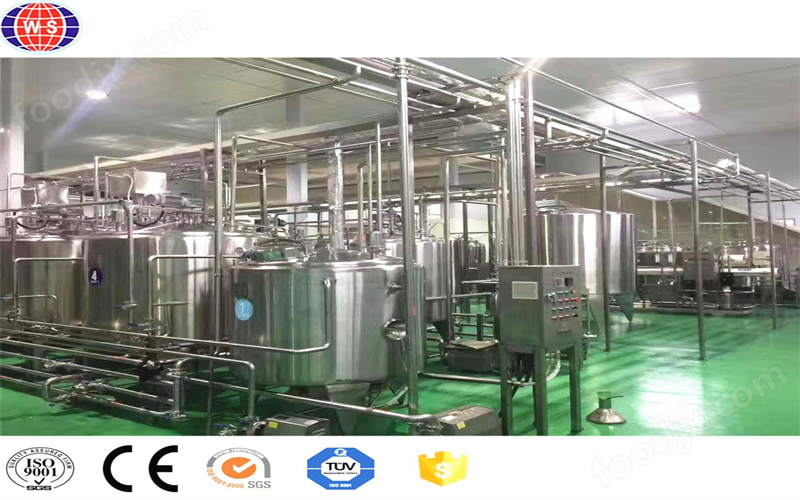
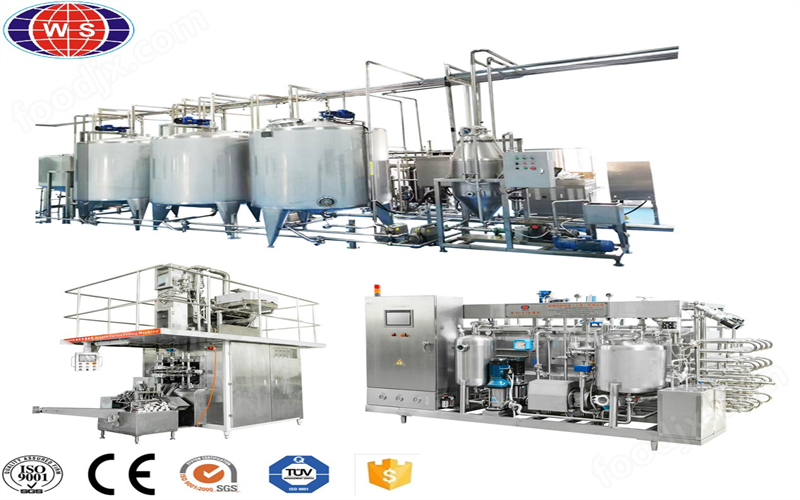
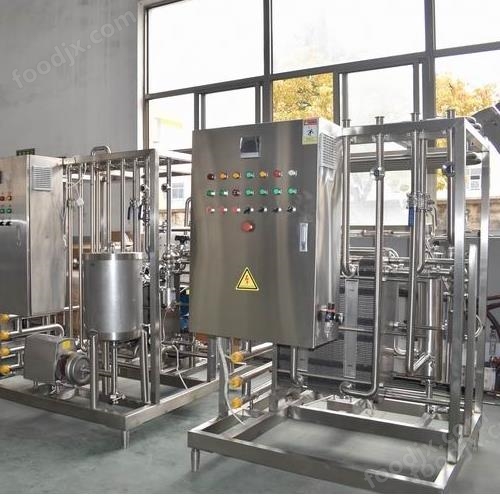
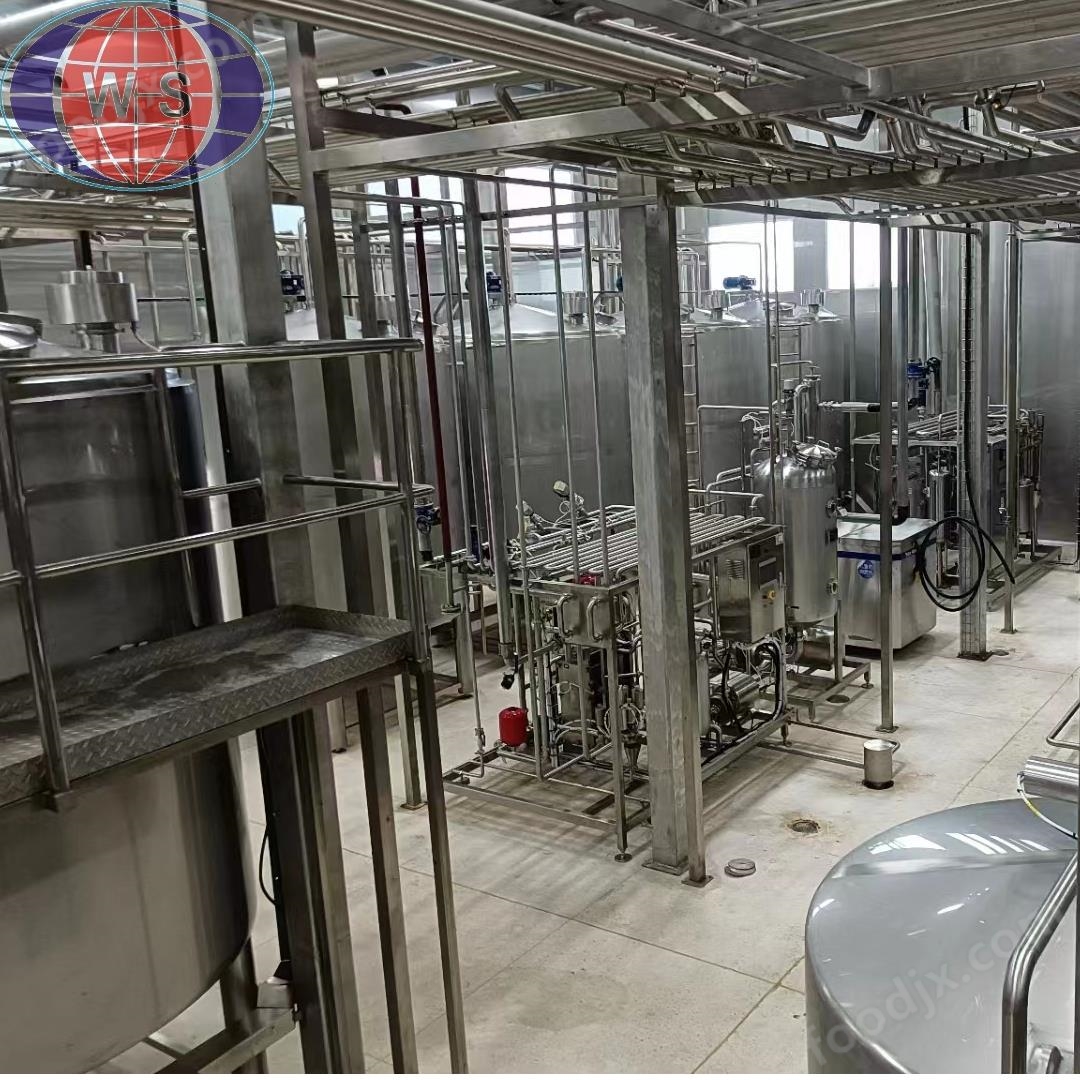
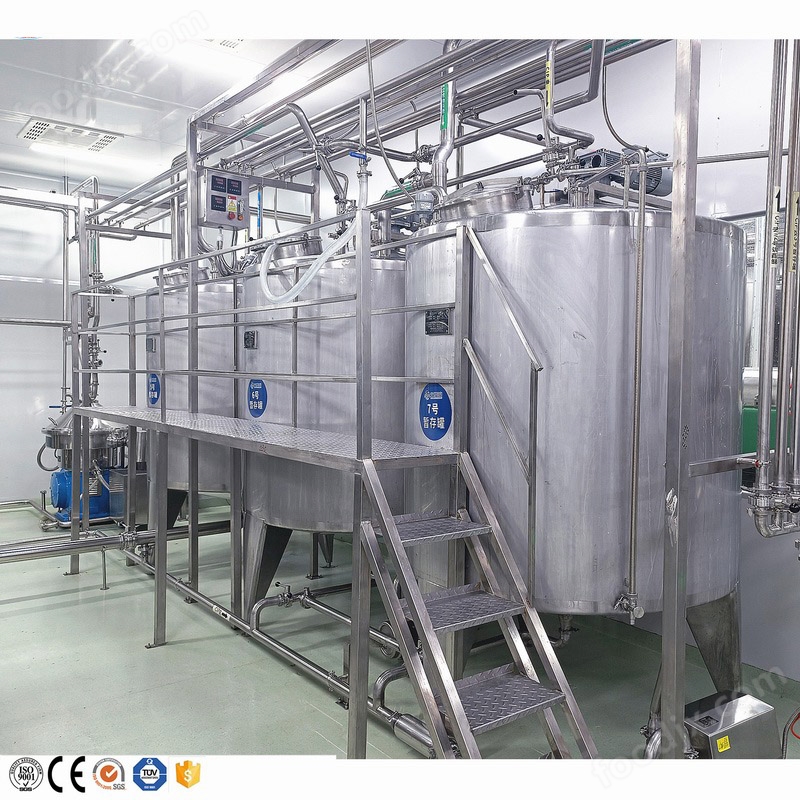
Dairy processing equipment refers to mechanical devices used in various processing stages of the dairy production process, widely used in the processing and production of dairy products such as milk, yogurt, cheese, butter, milk powder, etc. With the continuous development of the dairy industry, processing equipment is gradually moving towards high efficiency, energy conservation, and intelligence, with higher levels of automation, better hygiene, and higher production efficiency.
Product Details
Dairy processing equipment refers to mechanical devices used in various processing stages of the dairy production process, widely used in the processing and production of dairy products such as milk, yogurt, cheese, butter, milk powder, etc.With the continuous development of the dairy industry, processing equipment is gradually moving towards high efficiency, energy conservation, and intelligence, with higher levels of automation, better hygiene, and higher production efficiency.
1、 Quality requirements for dairy processing equipment
The special properties of dairy products require processing equipment to have strict hygiene standards and high mechanical performance. Dairy products have high moisture content and are easily contaminated by microorganisms, so the design of equipment should not only consider production efficiency, but also pay special attention to hygiene and safety.
1. Hygiene and safety
Must comply with food safety regulations and hygiene standards. All components that come into direct contact with dairy products must be made of stainless steel or other materials that meet food hygiene requirements. These materials need to be resistant to high temperatures, corrosion, and easy to clean. The surface of the equipment must be smooth and seamless to prevent the growth of bacteria and mold. At the same time, equipment design should prevent residual dairy products, ensure cleanliness after each production, and avoid cross contamination.
2. Mechanical properties
Mechanical performance is the key to ensuring long-term stable operation of equipment. The equipment must be able to withstand operating conditions of high temperature, high pressure, and high load. Key components such as mixers, pumps, and valves need to have wear-resistant and corrosion-resistant properties. In addition, the equipment also needs to have good sealing performance to avoid product leakage or external contamination.
3. Energy efficiency and environmental protection
With the promotion of energy-saving and emission reduction policies, the energy efficiency of equipment has become a key concern for customers. The design of the equipment should minimize energy consumption, improve heat exchange efficiency, and reduce the discharge of exhaust gas and wastewater as much as possible. Especially in high-temperature sterilization and concentration processes, energy-saving equipment has gradually become the mainstream in the market.
2、 Material selection for dairy processing equipment
The material selection of equipment directly affects its performance, durability, and safety. The raw materials and processing involved in dairy processing are complex, so every detail of material selection needs to be carefully considered.
1. Stainless steel material
Stainless steel is a commonly used material, especially models such as 304 and 316 stainless steel. They have strong corrosion resistance and high temperature resistance, which not only prevent dairy products from reacting with equipment during processing, but also effectively extend the service life of equipment. Due to the high moisture content in dairy products, the surface of stainless steel must be kept smooth for easy cleaning and disinfection.
2. Plastic materials
Plastic materials such as polypropylene and polyethylene are also widely used in some low-temperature or non direct contact dairy components. Their characteristics are lightweight, chemical resistance, and low cost, but their stability and durability are relatively poor under high temperature conditions, so they are not suitable for high-temperature and high-pressure processes.
3. Rubber and sealing materials
In the processing of dairy products, many devices require good sealing. Sealing materials are mainly used at pipelines, valves, and connections to prevent air leakage and seepage. Common sealing materials include silicone, fluororubber, etc. These materials have the characteristics of high temperature resistance and chemical corrosion resistance, which can ensure the sealing of equipment and prevent pollution.
4. Ceramic and glass materials
Some special components, such as filters, sensors, and measuring instruments, may use ceramic or glass materials. Their main advantages are high temperature resistance, corrosion resistance, and no impact on product quality when in contact with dairy products.
3、 The main production processes of dairy product processing
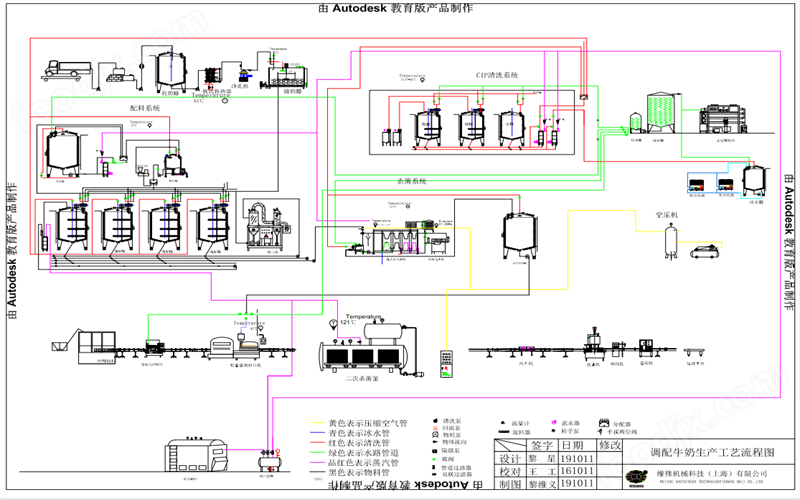
Dairy processing is a complex and precise process that involves multiple steps, including cleaning, sterilization, fermentation, concentration, etc. Each step requires equipment performance to meet specific standards. The following are some common core processes in dairy processing:
1. Sterilization process
Sterilization is a key step in dairy processing, usually using ultra-high temperature instant sterilization (UHT) or pasteurization methods. UHT sterilization technology can effectively kill bacteria, yeast and mold, and retain the nutrition of dairy products by rapidly heating lotion to 135 ° C or above, keeping high temperature for a short time, and then cooling rapidly. The equipment needs to have an efficient heat exchange system to ensure uniform heating of dairy products.
2. Homogenization process
Homogenization process is to break down the fat particles in dairy products into small particles, usually using a high-pressure homogenizer. In dairy products, the size of fat particles directly affects the taste and appearance of the product. The homogenization process requires controlling the pressure, temperature, and flow rate of the equipment to achieve homogenization effect.
3. Fermentation process
Fermentation process is crucial in the production of fermented dairy products such as yogurt and cheese. The equipment needs to provide precise adjustments in temperature control, humidity control, pH monitoring, and other aspects to ensure a suitable growth environment for fermentation strains and ensure the flavor and texture of the product.
4. Concentration and drying process
For products such as milk powder, concentration and drying are essential steps. Evaporators are usually used for concentration, while spray dryers are used for drying. In these processes, the thermal efficiency and uniformity of the equipment are crucial, and the design of the equipment should be able to reduce energy waste and ensure that the quality of milk powder is not affected.
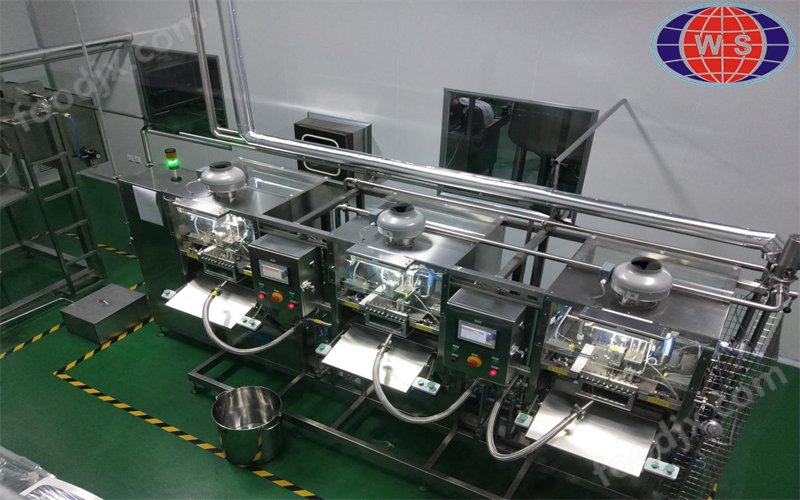
5. Packaging process
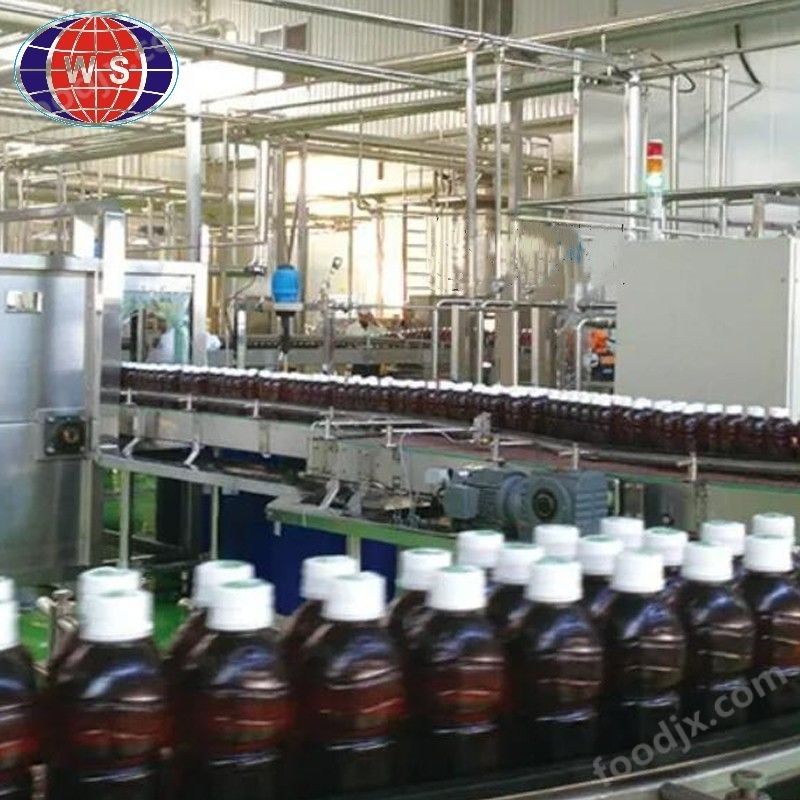
The packaging process determines the shelf life and transportation conditions of dairy products. Dairy processing equipment is usually equipped with automated packaging systems, which can quickly and accurately package bottled, bagged, and boxed products. The equipment needs to have an efficient packaging and filling system, as well as good hygiene performance to prevent contamination.
Parameters of dairy processing equipment: (for reference, specific according to process requirements)
| Device Model | hourly output | steam consumption | power consumption | Required workshop area |
| SWBSN-2000 | 2000 bottles | 300KG | 60KW | 300㎡ |
| SWBSN-4000 | 4000 bottles | 500KG | 80KW | 500㎡ |
| SWBSN-6000 | 6000 bottles | 600KG | 120KW | 600㎡ |
| SWBSN-10000 | 10000 bottles | 1000KG | 150KW | 1000㎡ |