-
E-mail
714107477@qq.com
-
Phone
15079107852
- Address
Product Categories
Weishu Machinery Technology (Shanghai) Co., Ltd
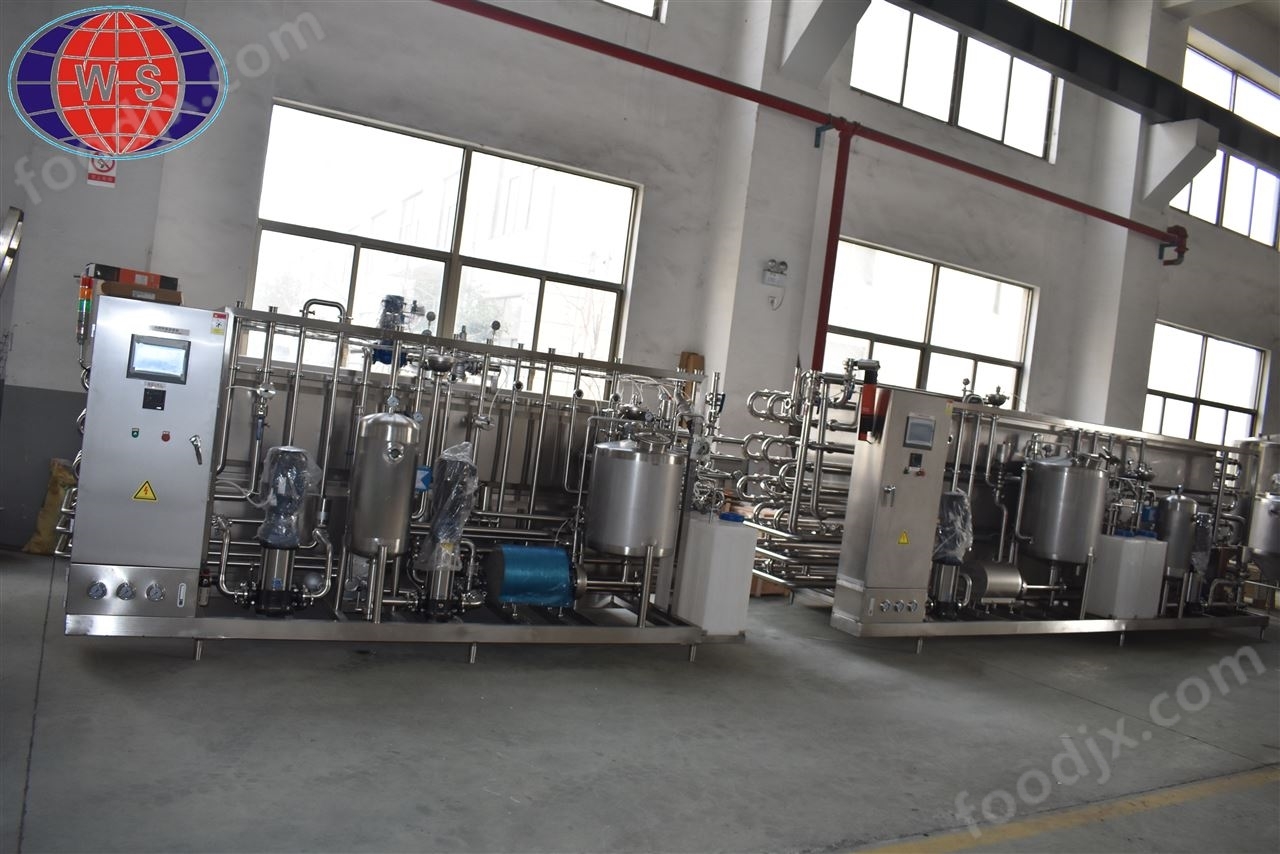

Apple Juice Production Line Equipment
NegotiableUpdate on 01/05
- Model
- Nature of the Manufacturer
- Producers
- Product Category
- Place of Origin
Overview
The production process of apple juice production line mainly includes steps such as raw material pretreatment, juice extraction, filtration, clarification, sterilization, blending, and packaging. Each stage requires the use of efficient and stable equipment to ensure the quality and taste of the product.
Product Details
1、 The process principle of apple juice production line
The production process of apple juice mainly includes steps such as raw material pretreatment, juice extraction, filtration, clarification, sterilization, blending, and packaging. Each stage requires the use of efficient and stable equipment to ensure the quality and taste of the product.
1. Raw material pretreatment
Apples are the main raw material for apple juice, so their selection, cleaning, and disinfection are crucial for the quality of the juice. Firstly, choosing high-quality apples is crucial. Generally speaking, the selected apples should be free from pests and diseases, mold, pesticide residues, and have a good taste. Cleaning apples is a crucial step in removing surface dirt and pesticides. Modern production lines usually use methods such as bubble cleaning, spray cleaning, steam cleaning, etc. to perform preliminary treatment on apples.
2. Juice extraction
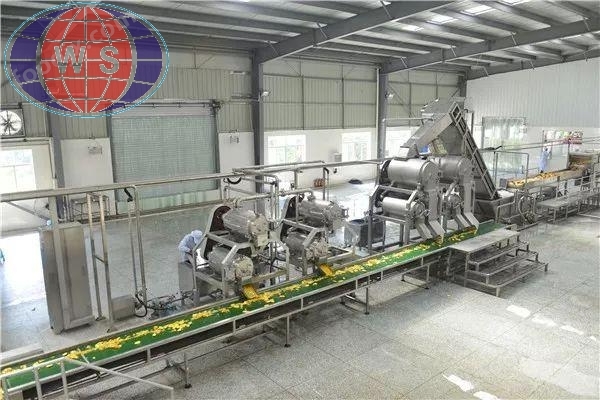
Juice extraction is the core process of apple juice production. According to different production requirements, different processes can be used for juice extraction, such as cold pressing or hot pressing. The cold pressing process can preserve the nutritional components and taste of apples, but the production cost is relatively high; The hot pressing process can improve the juice extraction rate and is suitable for large-scale production. Juicing equipment generally uses screw juicers, hydraulic juicers, etc.
3. Filtering and clarification
After juicing, apple juice usually contains fruit residue, pulp, and other impurities that need to be removed through filtration and clarification equipment. The filtration process generally uses equipment such as vibrating screens and centrifugal separators to preliminarily filter juice and remove large particles of impurities. Clarification is the further removal of suspended solids from apple juice through settling, centrifugation, or the use of coagulants, resulting in higher clarity and transparency of the juice.
4. Sterilization and preservation
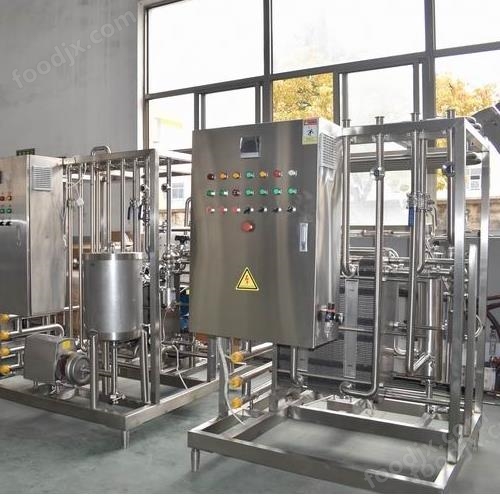
To ensure the safety of apple juice and extend its shelf life, the juice needs to be sterilized. Common sterilization methods include pasteurization and high-temperature instantaneous sterilization. Pasteurization kills harmful microorganisms by heating to a certain temperature and maintaining it for a certain period of time, while high-temperature instantaneous sterilization achieves the same effect by rapidly heating to ultra-high temperatures and rapidly cooling. High temperature instantaneous sterilization can preserve the nutritional components and taste of fruit juice.
5. Allocation and addition
According to different product requirements, apple juice may need to be blended by adding certain amounts of sugar, acidity regulators, or fruit flavor enhancers. By blending, the sweetness, acidity, and taste of the juice can be adjusted to meet market demand.
6. Packaging and sealing
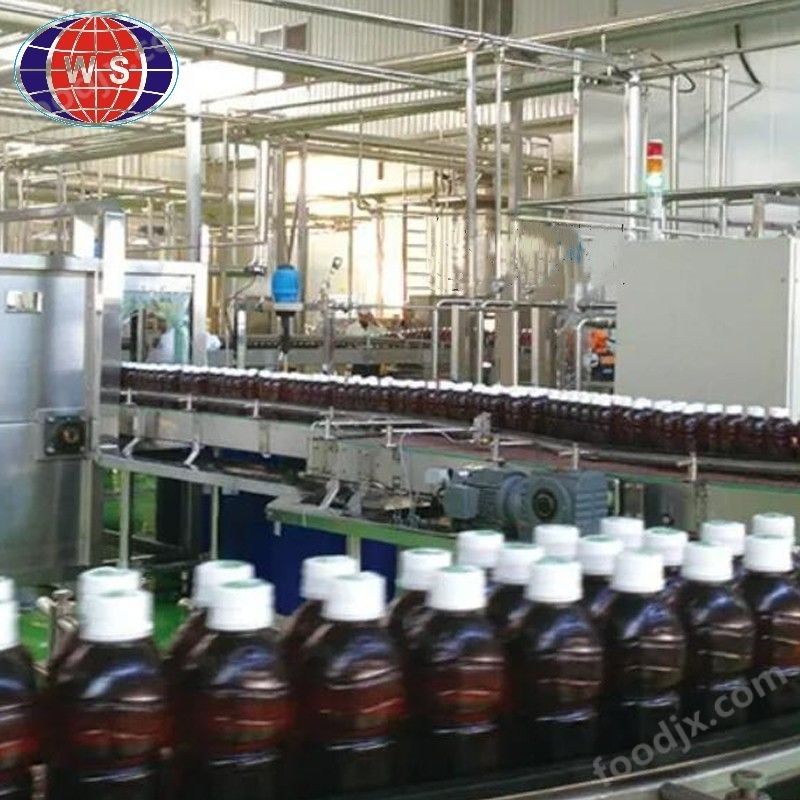
Packaging is the final step in the production of apple juice. Common packaging methods for apple juice include bottled, bagged, canned, etc. Bottled apple juice is usually packaged in PET or glass bottles, while bagged in aluminum-plastic composite film bags. The purpose of packaging is to protect the quality of juice and prevent external factors from affecting its taste and shelf life. In the packaging process, automated filling equipment is usually used for rapid filling to ensure production efficiency and packaging sealing.
2、 The process of apple juice production line
The process of apple juice production line can be divided into the following main steps:
1. Raw material processing
After the raw materials enter the production line, they need to be cleaned and sorted first. Through methods such as bubble cleaning and spray cleaning, pollutants such as soil and pesticide residues on the surface of apples are removed. At this point, apples may still require manual screening to remove rotten or diseased fruits.
2. Crushing and juicing
The cleaned apples are crushed into small pieces by a crushing device such as a slicer or slicer, and then enter a juicing device for juicing. The common juice extraction methods include cold pressing and hot pressing, and different processes are selected according to specific production needs.
3. Filtering and clarification
The squeezed juice contains fruit residue, pulp, and other impurities, which need to be preliminarily filtered through a filtration device, and then clarified through a clarification device to remove suspended solids, making the juice clear and transparent.
4. Sterilization and preservation
To ensure the safety of apple juice and extend its shelf life, clarified juice needs to be sterilized using pasteurization or high-temperature instantaneous sterilization equipment. Sterilization treatment can effectively eliminate harmful microorganisms in fruit juice, ensuring the safety of fruit juice during later storage and transportation.
5. Allocation and addition
According to market demand, the production line may need to add sugar, acidity regulators, etc. By blending, the taste of apple juice can be adjusted to better suit the taste of consumers.
6. Packaging
Packaging is the final step in the juice production process. Through automated filling equipment, juice is quickly poured into bottles, bags, or cans to ensure sealing and hygiene standards. After packaging is completed, the product enters the storage stage and is ready to leave the factory.
3、 Quality Control in the Production Process of Apple Juice Production Line
In the production process of apple juice, quality control is the key to ensuring that the product meets standards and safeguarding consumer health. The main quality control processes include raw material testing, production process control, finished product testing, and packaging quality testing.
1. Raw material quality control
As the main raw material for juice production, the quality of apples directly affects the quality of the product. Before entering the production line, the raw materials need to undergo strict testing to ensure that the apples do not contain harmful substances such as pesticide residues, heavy metals, etc. In addition, factors such as color, taste, and hardness of apples also need to meet production standards.
2. Quality control during the production process
Cleaning and disinfection: During the apple cleaning stage, it is necessary to ensure the cleaning effect of the equipment to remove pollutants such as pesticides and bacteria.
Juice extraction rate control: By optimizing the configuration of juice extraction equipment, the extraction rate of juice can be improved and waste can be reduced.
Filtration and clarification: During the filtration and clarification process, it is necessary to continuously monitor the filtration effect to ensure that the clarity of the juice meets the standard.
Sterilization process control: During the sterilization process, it is necessary to control the heating temperature and time to avoid excessive heating and loss of juice taste.
3. Finished product quality control
Sensory indicators: Through sensory evaluation of the color, odor, taste, clarity, etc. of the finished product, ensure that the taste and visual effect of the juice meet the standards.
Nutritional component testing: By detecting the vitamins, minerals, sugars, and other components of fruit juice, the nutritional value of the product is ensured.
Microbial testing: Regularly conduct microbial testing to ensure that the microbial content in the juice meets food safety standards and prevents contamination.
4. Packaging quality control
The quality of packaging directly affects the shelf life of products. The packaging equipment in the production line needs to ensure good sealing of the packaging to avoid the influence of factors such as air and sunlight on the quality of the juice. In addition, the selection of packaging materials also needs to comply with food safety standards to ensure that they do not undergo chemical reactions with fruit juice.
Apple Juice Production Line Parameters
| raw material | Fresh apples/pears/prickly pears |
| finished product | Concentrated juice or clear juice or jam |
| production capacity | 60 tons/day -1500 tons/day |
| juice extraction rate | 75% (25% is fruit fiber, skin and core) |
| solid content | 10-12Brix |
| Concentrated juice concentration | 70~72Brix |
| finished product packaging | Aseptic large bags/cans/glass bottles/PET bottles |
| output | Customized according to customer needs |