-
E-mail
ddxfvgdwm@163.com
-
Phone
13202009968
-
Address
No. 8 Lvyuan Avenue, Xinfeng Industrial Park, Ganzhou City, Jiangxi Province
Product Categories
Ganzhou Big Brother Cutting Tools Co., Ltd

Vertical cutting knife
NegotiableUpdate on 02/24
- Model
- Nature of the Manufacturer
- Producers
- Product Category
- Place of Origin
Overview
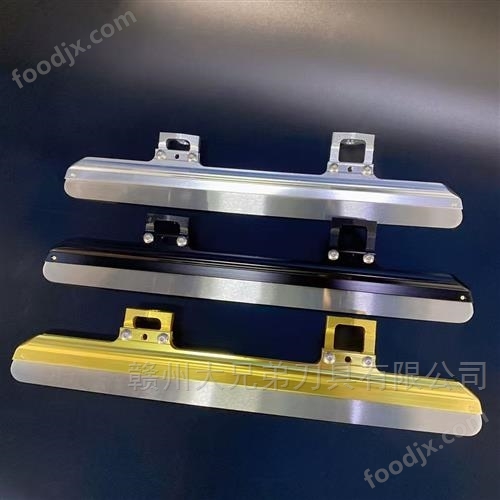
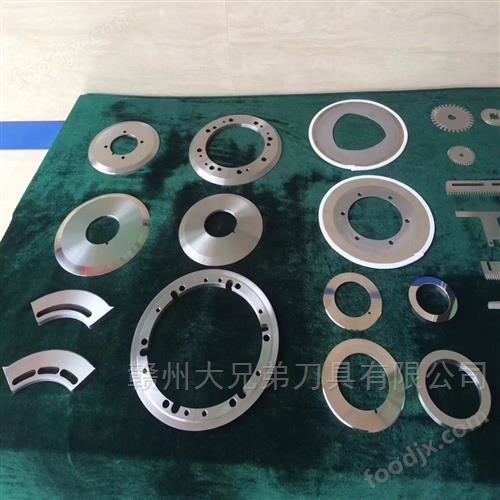
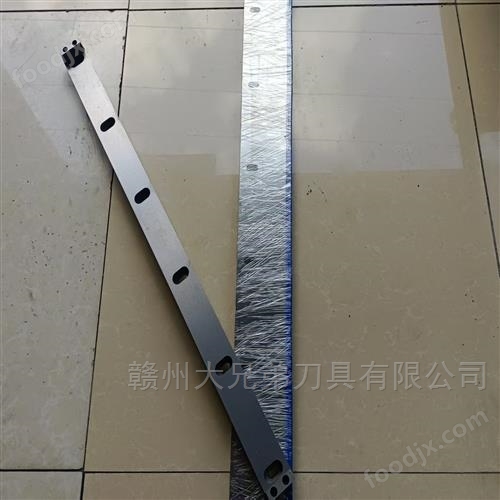
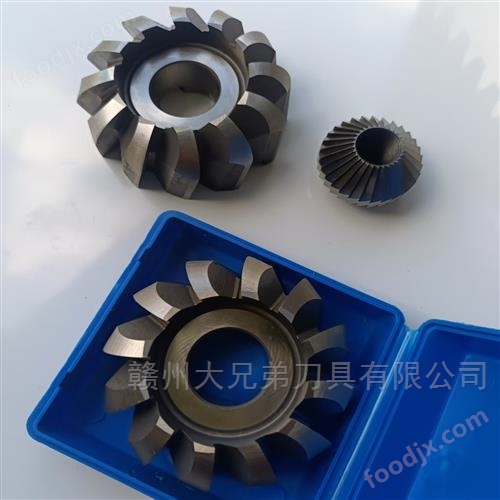
Our company has developed and produced high-speed steel composite welding cutting tools (with steel sticking process), all of which are made of high-quality high-speed steel bonded together through precision welding process. The product has sharp edges, wear resistance, and good toughness. Vertical cutting knife
Product Details
Vertical cutting knifeExplanation and Introduction:
Vertical cutting knifeIt is a key tool used in woodworking to cut the surface of wood, make it smooth, control thickness, or process specific shapes such as grooves and tenons. Refers to two main types:
1. The blade of a manual planer: This is a metal cutting edge installed on a traditional manual planer or scraper.
2. Blade head of electric planer: This is a rotating blade head installed on an electric handheld planer or desktop planer/planer, usually consisting of two or more replaceable blades.
1 The blade of a manual planer
1. Core role:
*Cutting wood fibers to remove thin layers of sawdust (shavings).
*By precise adjustment, achieve a flat, smooth, square (right angle) and uniform thickness on the surface of the wood.
2. Main types (classified by the planes installed):
*Planing/planing: commonly used for final fine finishing of surfaces to make them very smooth. The blade is narrow and the cutting edge is very fine.
*Rough/Medium Planing: Used for quickly removing large amounts of material and initial leveling. The blade is wider, and the blade angle may be slightly larger or stronger.
*Groove planer: used to groove on the edge of wood. The blade width is consistent with the required slot width and has a special shape.
*Edge planing: used to trim the wood end face (horizontal stripes) to make it flat and smooth. Blades typically have a larger cutting angle (close to 50 degrees) to better cut through striated fibers.
*Bird planer/curved planer: used for machining curved or concave surfaces. The blade is narrow and the planing body is short and curved.
*Scraping and planing: Use very steep angles (usually above 80 degrees) to scrape the surface of wood, especially suitable for processing hardwood with reverse grain or disorderly texture, and can obtain an extremely delicate surface. The blade is usually a single thin steel sheet.
3. Key structures and characteristics:
*Material:
*High carbon steel: * Traditional material, easy to polish sharp, but has relatively short retention time (sharpness maintenance time), requiring more frequent polishing.
*High speed steel: a more modern choice with good retention, wear and heat resistance, suitable for long-term work or hardwood processing, but more difficult to polish.
*Alloy steel: with properties between high carbon steel and high-speed steel, it is a common compromise choice.
*Blade: The main body of a blade, usually with a sloping surface.
*Edge: The sharp edge that actually cuts wood. Its sharpness is the key to the planing effect.
*Slope: The angle between the grinding surface on the back of the blade and the bottom of the planer determines the cutting angle. Common entry angles include:
*Low angle (37 ° -45 °): Suitable for planing cork along the grain, making cutting more effortless.
*Standard angle (45 °): a universal angle that balances straight lines and mild reverse lines.
*High angle (50 ° -55 ° or higher) * *: Designed specifically for handling difficult to chew reverse grain, hardwood, or textured wood, it can more effectively cut fibers and reduce tearing. The scraping angle is higher (>80 °).
4. * * Maintenance and usage points:
*Grinding: Maintaining an extremely sharp edge is a prerequisite for obtaining a smooth surface. Regular grinding with sharpening stones (oil stone, water stone, diamond stone) is required.
*Grinding angle: When grinding, the original angle of the inclined surface should be kept consistent.
*Installation and adjustment: Install the blade and pressure iron correctly, ensure that the distance between the front edge of the pressure iron and the main cutting edge is appropriate, and accurately adjust the cutting depth and level.
*Usage tip: Smooth planing (pushing in the direction of wood grain) has a good effectIdentify the direction of wood texture; Keep the planer stable and apply even force; At the beginning, it should be slightly deeper, and at the end, it should be slightly shallower or lift the front of the planer to avoid biting the head.
II The blade of an electric planer/Blade
1. Core function: High speed rotation, quick removal of large amounts of materials, rough leveling, leveling, thickness adjustment and other operations, with much higher efficiency than manual planing.
2. Main types (classified by installed equipment):
*Handheld electric planer blade: typically consisting of two symmetrical blades mounted on a cylindrical shaft for high-speed rotation. The knife shaft is located at the slot on the machine bottom plate.
*Desktop planer/planing blade: typically consisting of two, three, or four blades, mounted on a thicker cylindrical shaft. Planing is used for thickness determination, while planing is used for leveling the reference surface. Multi blade design can reduce the load on each blade, improve cutting smoothness and surface quality.
3. Key structures and characteristics:
*Material: Similar to manual planer blades, mainly made of * * high-speed steel * * and * * hard alloy * *.
*High speed steel is common and can be repeatedly ground and reused.
*Hard alloy: The cutting edge is embedded with hard alloy, which is extremely wear-resistant and particularly suitable for handling materials containing resin, artificial boards, or easily worn materials. It has good retention, but it is usually not repairable or can only be professionally ground, resulting in high maintenance costs.
*Blade shape: Straight blade blade: The most common, with a straight edge.
*Ripple blade/debris blade: The blade edge is wavy and mainly used for handheld electric planers. It can more effectively break wide shavings and reduce blockages, but the processing surface is not as smooth as a straight blade (with fine ripples).
*Installation method:
*Adjustable: commonly used in handheld electric planers and some desktop planers. The blade can be adjusted for extended height through screws to ensure consistent cutting depth and balanced tool axis for all blades.