-
E-mail
ddxfvgdwm@163.com
-
Phone
13202009968
-
Address
No. 8 Lvyuan Avenue, Xinfeng Industrial Park, Ganzhou City, Jiangxi Province
Product Categories
Ganzhou Big Brother Cutting Tools Co., Ltd
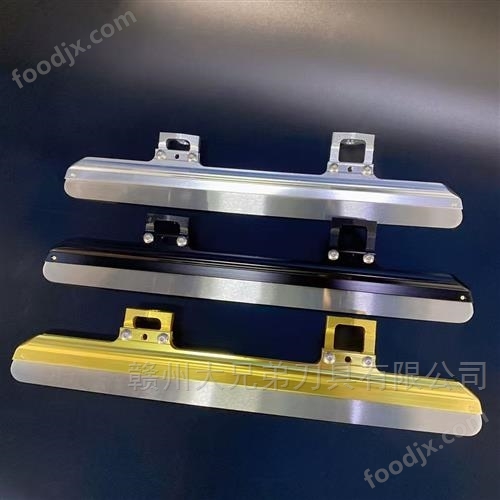
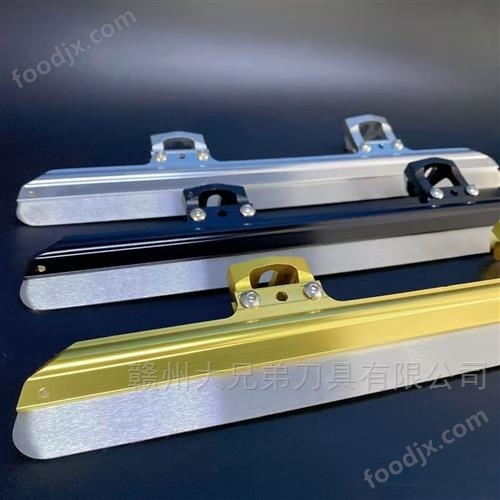


Scooter/Skater
NegotiableUpdate on 01/05
- Model
- Nature of the Manufacturer
- Producers
- Product Category
- Place of Origin
Overview
The ice shovel/skate blade is a core tool in the field of ice and snow sports and field maintenance. The former is used for leveling, trimming, and processing specific shapes of ice and snow fields (such as ice troughs and ice surface patterns), while the latter is used for athletes to perform sports movements such as sliding, turning, and jumping on the ice surface.
Product Details
Scooter/SkaterExplanation and Introduction
The ice shovel and ice skate are core tools in the fields of ice and snow sports and field maintenance. The former is used for leveling, trimming, and shaping specific shapes of ice and snow fields (such as ice troughs and ice surface patterns), while the latter is used for athletes to perform sports movements such as sliding, turning, and jumping on the ice surface. The two belong to different functional categories, including the following main types:
Ice scraper for site maintenance: a cutting component installed on ice surface trimming equipment (such as manual ice shovels and electric ice milling machines), used to handle ice surface protrusions, debris, and shape standard ice surface shapes.
Skating blade for sports: a specialized sliding blade designed according to the type of sport (such as speed skating, figure skating, ice hockey) fixed at the bottom of ice skates, which directly determines the athlete's sliding speed, flexibility, and completion of movements.
1、 Ice scraper for site maintenance
1. Core role
Cutting the surface of the ice surface to remove damaged, protruding, or adhered debris, forming a flat and smooth benchmark ice surface.
By precisely adjusting the cutting depth and angle, the thickness of the ice surface can be controlled (such as maintaining a standard ice thickness of 10-15cm), or specific ice surface structures can be processed (such as boundary grooves on ice hockey fields and anti slip patterns on speed skating tracks).
Clean up snow and ice debris on the ice surface, repair scratches and cracks on the ice surface, and ensure the safety and standardization of ice and snow sports venues.
2. Main types (classified by installed equipment)
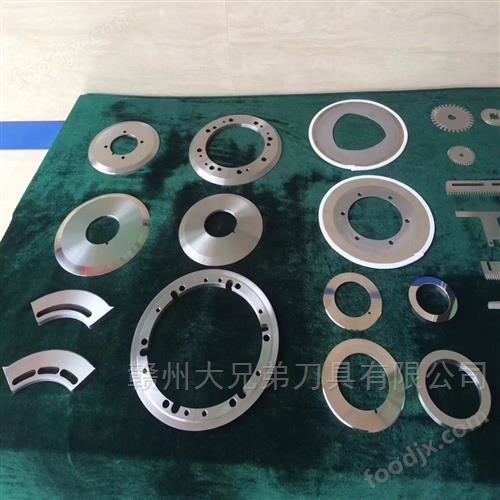
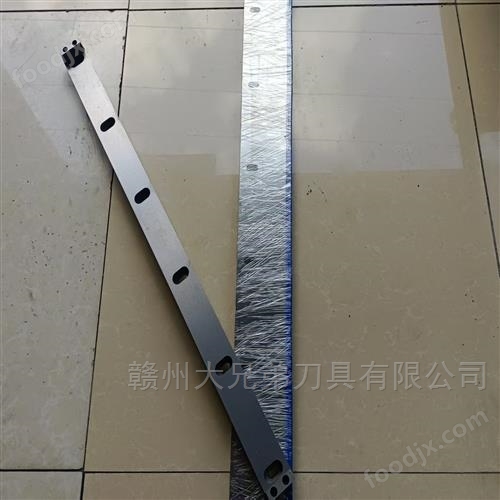
Manual ice shovel blade: a metal cutting tool installed on traditional manual ice shovels (such as push shovels and pointed shovels), with a compact size, making it easy to finely repair small pits on the ice surface and clean corner ice debris. The blade width is relatively narrow (usually 5-10cm), and high sharpness is required for the cutting edge.
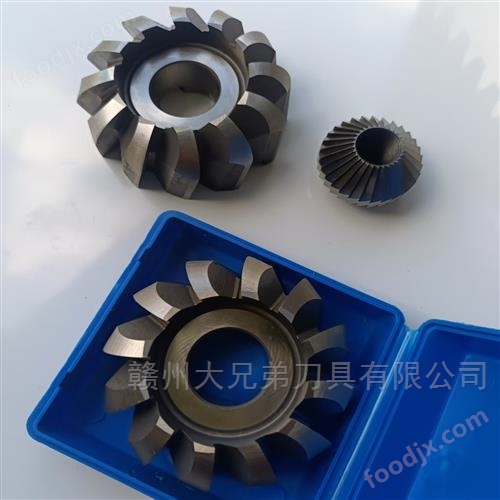
Electric ice milling machine tool head: a rotating cutting component installed on electric ice milling machines (such as large ice maintenance vehicles and small handheld ice milling machines), divided into single blade and multi blade designs. The large ice milling machine tool head is used for overall ice surface leveling, while the small handheld tool head is used for local depth finishing.
Ice groove planer: a specialized blade used for processing groove shaped structures on ice surfaces (such as guide grooves for curling rinks and boundary grooves for ice hockey goal areas), with a blade width consistent with the groove width (commonly 3-5cm), and a positioning guide structure on the blade body.
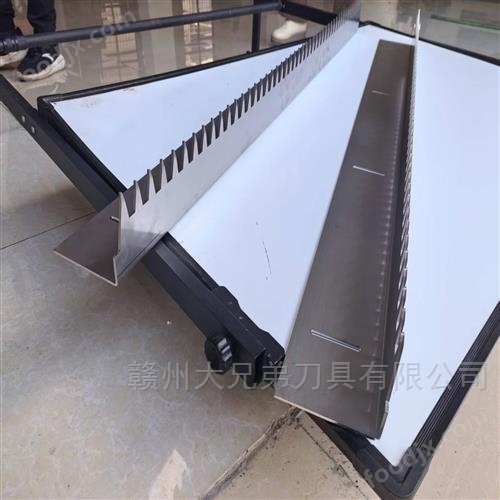
Ice texture knife: a blade used to press anti slip patterns (such as fine horizontal stripes on speed skating tracks) on flat ice surfaces, with a regular serrated or wavy edge. It forms uniform patterns on the ice surface by rolling or translating, increasing friction on the ice surface.
Ice thickness control knife: a blade installed on the ice thickness measurement and trimming equipment, equipped with a depth limit device, which can accurately control the cutting depth (error ± 1mm), ensuring uniform and consistent ice thickness throughout the field, suitable for professional competition venue maintenance.
3. Scooter/SkaterKey Structure and Characteristics
material
High carbon tool steel: a commonly used material for traditional manual ice shovel blades, with moderate hardness (HRC58-62), easy to polish and sharp, suitable for mild and local ice surface finishing, but slightly poor toughness at low temperatures, and prone to breakage during long-term high-strength use.
High speed tool steel (W18Cr4V): The mainstream material of electric ice milling machine tool heads has good low-temperature toughness, wear and heat resistance (can withstand temperature changes from -20 ℃ to 50 ℃), good retention, suitable for long-term continuous cutting of ice surfaces, and can be repeatedly ground and reused.
Hard alloy (WC Co alloy): a commonly used material for high-end ice groove planers and texture knives, with extremely high hardness (HRA88-92) and extreme wear resistance. It can handle small impurities (such as sand and gravel) in the ice surface, avoid blade wear, and has a service life 3-5 times that of high-speed steel. However, the cost is high and cannot be self repaired.
Blade body: The main body is a flat or curved structure, and the manual blade has mounting holes (for fixing on the shovel handle). The electric blade head has a blade shaft connection groove, and some blades have heat dissipation holes on the back to prevent ice melting and edge adhesion during continuous cutting.
Blade edge: The core part of cutting ice surface. The manual blade edge is a single slope (grinding angle 25 ° -30 °), the electric blade edge is a double slope (grinding angle 30 ° -35 °), and the textured blade edge is a special tooth shape (tooth pitch 1-2mm). The flatness error of the blade edge should be ≤ 0.02mm.
Cutting angle: The contact angle between the blade and the ice surface directly affects the cutting resistance and the flatness of the ice surface
Low angle (15 ° -20 °): suitable for cutting soft ice (temperature close to 0 ° C, loose ice quality), with low resistance, can quickly remove thick ice layers, but can easily cause ice surface cracking.
Standard angle (25 ° -30 °): a universal angle that balances cutting efficiency and ice quality, suitable for daily maintenance of most indoor ice rinks (temperature -5 ° C to -8 ° C).
High angle (35 ° -40 °): specially designed for hard ice (temperature below -10 ° C, hard ice quality) or ice surfaces containing impurities, it can effectively cut off fibers on the ice surface, reduce blade wear, and avoid splashing of ice slag during cutting.
4. Key points for maintenance and use
Grinding: Keeping the cutting edge sharp is the key to ensuring the flatness of the ice surface. Manual blades need to be regularly ground with 1000-2000 grit oilstone, while electric cutting heads need to be polished with diamond grinding wheels (particle size 800-1200 #). After grinding, the flatness of the cutting edge needs to be checked with a micrometer.
Grinding angle: Strictly follow the original design angle of the blade. When manually grinding the blade, the slope angle (25 ° -30 °) should be fixed. The electric blade head should ensure that all blade grinding angles are consistent to avoid uneven cutting during rotation.
Installation and adjustment: When installing the manual blade, it is necessary to ensure that it is perpendicular to the shovel handle and has no offset; When installing the electric blade on the blade shaft, it is necessary to adjust the dynamic balance through a balance block (unbalance amount ≤ 5g · cm) and fine tune the blade extension length (error ≤ 0.1mm) to prevent vibration from causing scratches on the ice surface.
Usage tip: The cutting direction should be parallel to the texture of the ice surface to avoid horizontal cutting that may cause the ice surface to break; When manually trimming, apply even force and the depth of a single cutting should not exceed 3mm. Before using electric equipment, preheat the cutting head (to avoid metal embrittlement at low temperatures), and stop the machine to clean the ice residue on the cutting edge after continuous operation for no more than 30 minutes.
2、 Sports ice skates
1. Core role
The sliding force generated by contact with the ice surface is the core component of ice skating, which achieves turning, braking, jumping and other actions through the friction between the blade and the ice surface.
Provide different support stability and flexibility according to sports needs, such as speed skating blades pursuing low resistance to increase speed, figure skating blades emphasizing balance to complete rotating jumps, and ice hockey blades emphasizing impact resistance to adapt to intense competition.
2. Main types (classified by sports)
Speed skating blades: divided into short track speed skating blades and wide track speed skating blades, installed at the bottom of speed skating skates, with a narrow and long blade (length 40-50cm, width 1.1-1.3mm), a single straight edge, and a curved blade tip and heel to reduce sliding resistance, suitable for high-speed straight sliding.
Figure Skating Knife: Installed at the bottom of the figure skating skate, the blade has "teeth" in the middle (used for jumping, jumping, and rotating fixation), with a length of 28-32cm and a width of 1.4-1.6mm. The heel of the blade has anti slip design, and the blade is divided into inner and outer blades, making it easy to complete complex rotations and footwork.
Ice Hockey Knife: Installed at the bottom of ice hockey shoes, the blade is short and thick (length 25-28mm, width 2.5-3mm), perpendicular to the ice surface, and the blade holder is made of metal material (to enhance impact resistance), suitable for quick turning, emergency stopping, and body confrontation. It can withstand the weight of the athlete's body and collision impact force.
Curling shoe specific knife: divided into "sliding shoe knife" and "kicking skate knife", the sliding skate blade has a smooth edge (reducing resistance), and the kicking skate blade has fine teeth (increasing kicking friction), with a blade length of 22-24cm and a width of 1.8-2mm, suitable for the sliding and power requirements of curling sports.
Leisure ice skating blade: installed at the bottom of leisure ice skates, with a blade length of 30-35cm, a width of 1.5-1.8mm, a rounded blade edge, good stability of the blade holder, low operating threshold, suitable for beginners and daily entertainment skating, balancing safety and comfort.
3. Key structures and characteristics
material
High carbon stainless steel (440C): a commonly used material for mid to low end ice skates, with good rust prevention performance (suitable for humid environments on ice rinks), hardness HRC56-58, easy to polish, low cost, suitable for leisure and entry-level sports use.
High speed steel composite material: commonly used material for mid to high end speed skating blades and figure skating blades. The blade body is made of low-carbon steel (enhanced toughness), and the cutting edge is embedded with high-speed steel (W6Mo5Cr4V2, hardness HRC60-62), which balances impact resistance and sharpness. It can be polished multiple times and has a long service life.
Titanium alloy composite material: commonly used materials for high-end ice hockey knives and professional figure skating knives. The blade is made of titanium alloy (to reduce weight), and the cutting edge is embedded with hard alloy (to enhance wear resistance). It is 30% lighter than traditional steel knives, has good fatigue resistance, and can withstand frequent jumps and collisions, making it suitable for professional athletes to use.
Blade shape
Straight blade type: used for speed skating and leisure ice skating, with a continuous straight blade edge and a small contact area with the ice surface (reducing resistance), resulting in fast sliding speed but requiring high balance.
Curved blade type: The figure skating blade adopts a slightly curved blade with a curvature radius of 8-10m. The inner and outer blades have different curvatures, making it easy to adjust the center of gravity during rotation and complete movements such as "Bellman rotation" and "triple jump".
Wide blade type: The ice hockey blade adopts a large blade width (2.5-3mm), with a large contact area with the ice surface, good support stability, and the ability to quickly complete emergency stops and directional changes, adapting to intense confrontation scenarios.
Installation method
Fixed type: commonly used for leisure ice skates, the blade holder is directly fixed to the sole of the shoe with screws, the position cannot be adjusted, the structure is simple, the cost is low, and it is suitable for daily use.
Adjustable: Professional speed skating knives and figure skating knives are equipped with sliding rails and adjustment screws on the knife holder. The front and rear positions (adjustment range ± 5mm) and left and right angles (adjustment range ± 2 °) of the knife body can be adjusted according to the athlete's foot shape and sliding habits, ensuring precise power application posture.
Quick release: Some models of ice hockey knives use a quick locking device on the blade holder, which can complete blade disassembly and replacement within 30 seconds, making it convenient to replace worn blades during the game and avoiding wasting time.
4. Key points for maintenance and use
Grinding: The sharpness of the blade directly affects the sliding performance. Speed skating blades need to be ground with a specialized ice blade grinding stone (particle size 1500-2000 #) every 5-8 hours after sliding. Flower skating blades need to be polished with special attention to the teeth (to avoid slipping during jumping), and ice hockey blades need to be regularly repaired for blade cracking (polished with fine sandpaper).
Rust prevention maintenance: After each use, wipe the blade with a dry cloth (to remove ice residue and moisture), apply special ice knife rust prevention oil (to avoid rusting in humid environments), wrap the blade with plastic wrap when not in use for a long time, and store it in a dry and ventilated place (temperature 5-20 ℃, humidity ≤ 60%).
Installation adjustment: Professional athletes need to adjust the blade position according to the sports event. For example, for speed skating, the blade tip should be aligned with the front of the toe (to reduce resistance), and for figure skating, the blade teeth should be aligned with the middle of the foot (to ensure takeoff force). After adjustment, stability testing should be conducted to avoid injury caused by blade deviation.
Usage tip: When sliding, keep the center of gravity of the body in the middle of the blade to avoid the center of gravity shifting and causing wear on one side of the blade; Switch between the inner and outer blades according to the movement requirements (such as the inner blade for skating rotation and the outer blade for speed skating turning); Avoid sliding on non ice surfaces (such as cement floors or ceramic tiles) to prevent blade wear and deformation.