-
E-mail
ddxfvgdwm@163.com
-
Phone
13202009968
-
Address
No. 8 Lvyuan Avenue, Xinfeng Industrial Park, Ganzhou City, Jiangxi Province
Product Categories
Ganzhou Big Brother Cutting Tools Co., Ltd


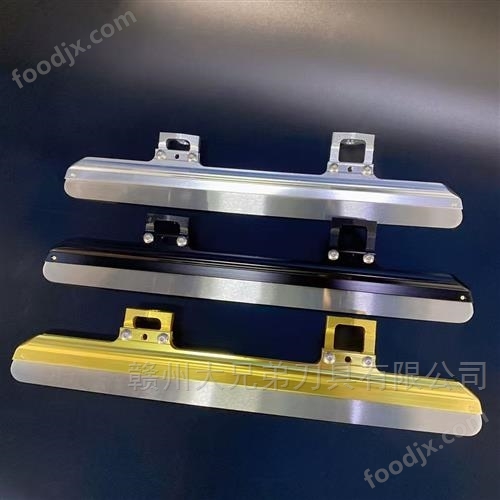
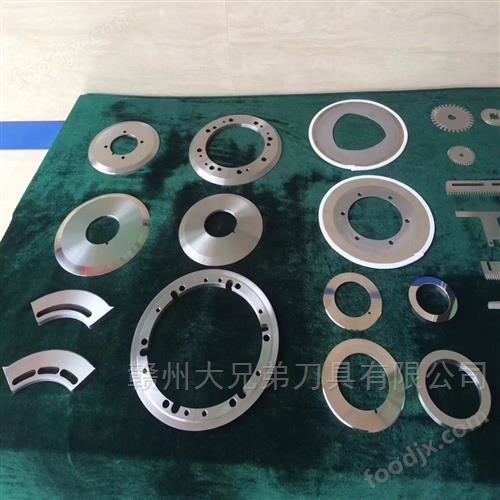
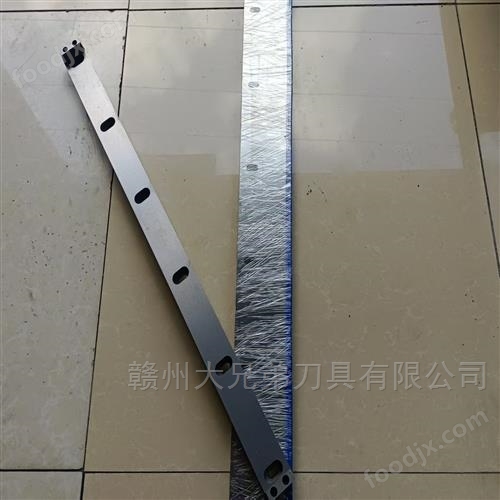
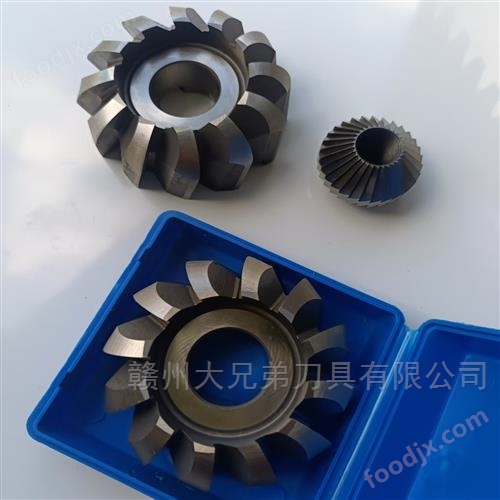
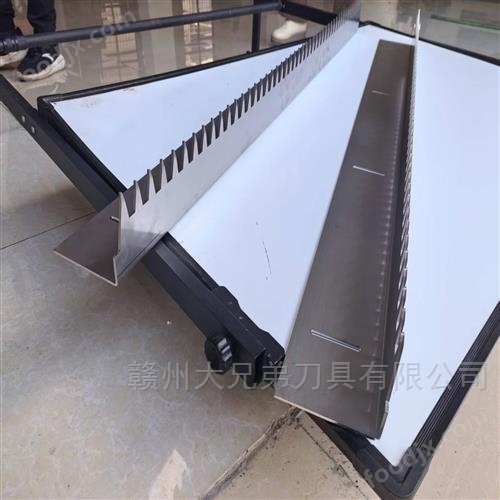
Multi column packaging machine cutting tools
NegotiableUpdate on 02/07
- Model
- Nature of the Manufacturer
- Producers
- Product Category
- Place of Origin
Overview
Strict food safety control, how to choose materials for packaging machine equipment and cutting tools
Product Details
Strict food safety control: How to choose packaging machine equipment, cutting tools and materials
The selection of packaging machine tool materials directly determines food production safety and compliance, and needs to be comprehensively considered from multiple dimensions based on the principle of "safety first, performance consideration".
1、 Core principle: Food safety cannot be compromised
This is the bottom line for material selection, which must meet regulatory and practical safety requirements.
Compliance certification: It must comply with national and target market standards. In China, it must meet the GB 4806 series standards. For exports, it must comply with the US FDA, EU EC 1935/2004, etc., and suppliers must provide compliance certificates or testing reports.
Corrosion resistance: It can resist the corrosion of moisture, salt, acid and other components in food, avoiding the precipitation of metal ions and contaminating food.
Safe and non migratory: The material itself does not contain toxic substances such as lead and cadmium, and will not migrate harmful substances when in contact with food.
Easy to clean: Smooth surface, reduces food residue retention, facilitates cleaning and disinfection, and prevents cross contamination.
2、 Key Performance: Ensuring Production Efficiency
On the basis of safety, materials need to have mechanical properties suitable for production.
High hardness and wear resistance: measured by Rockwell hardness (HRC), ensuring long-term sharpness of the blade, reducing replacement frequency, and minimizing downtime and foreign object risks.
High strength and toughness: able to withstand high-speed operation impact, avoid deformation, chipping or fracture, and prevent fragments from mixing into food.
3、 Common materials and their advantages and disadvantages
1. Martensitic stainless steel (mainstream choice)
Representative grades: 440C (HRC 58-60, excellent wear resistance), 420J2 (HRC 50-55, good toughness, low cost), 5Cr15MoV (domestic high cost-effectiveness, close to 440C performance).
Advantages: Balanced comprehensive performance, standard hardness and corrosion resistance, mature technology, high cost-effectiveness.
Disadvantage: Materials need to be upgraded in corrosive environments.
2. High grade austenitic stainless steel (corrosion resistance preferred)
Representative grades: 304/304L (excellent corrosion resistance, HRC about 20, low hardness), 316/316L (containing molybdenum, better corrosion resistance than 304).
Application method: The surface hardness needs to be improved by nitriding and PVD coating, forming a "tough core+hard surface" structure.
Applicable scenarios: Processing highly corrosive foods such as kimchi and high salt meat.
3. Tool steel (carefully selected)
Representative types: D2, M2, HRC over 60, wear-resistant, long service life.
Disadvantages: Poor corrosion resistance and easy rusting, relying on coatings such as chrome plating. Damaged coatings can easily contaminate food and are only suitable for dry, non acidic environments.
4. Ceramic materials (special scenarios)
Representative: Zirconia ceramics, free from metal precipitation, corrosion-resistant, high hardness, and lightweight.
Disadvantages: high brittleness, afraid of impact, unable to cut hard bones, high cost.
Applicable scenarios: Cutting soft food packaging such as bread and cooked food, or food packaging with high storage requirements.
5. Surface treatment (performance upgrade)
PVD coating (titanium plating, DLC): Increases surface hardness to HRC 80 or above, enhances wear resistance, corrosion resistance, and non adhesiveness.
Passivation treatment: Standard for stainless steel, forming a chromium rich oxide film to enhance corrosion resistance.
4、 Selection process
Analyze the processing object: clarify the corrosiveness of food, material hardness, and production requirements.
Priority setting: Coating austenitic stainless steel is preferred for corrosion resistance, martensitic stainless steel is preferred for wear resistance, ceramic is preferred for zero metal pollution, and domestic martensitic stainless steel is selected for balanced cost-effectiveness.
Compliance verification: Confirm the material grade and supplier compliance certificate.
Consider the process: Ensure that the material is easy to process and can stably guarantee the quality of the blade.
Consulting with professional parties: Obtain adaptation advice from equipment or tool manufacturers.
In most food packaging scenarios, choosing high-quality martensitic stainless steel with food grade certification, passivation or PVD coating (such as 440C, 5Cr15MoV) is a safe, durable and cost-effective solution.