Fully automatic pineapple peeling, cleaning, drying, and packaging solution $r $n Small pineapple processing production line integrates peeling, cleaning, drying, and packaging, achieving continuous operation. Very suitable for fruit factories and food processing plants dedicated to improving productivity and ensuring food safety. For many fruit processors, handling pineapples can be a challenge. Pineapple peels are hard, have high moisture content, and strict hygiene requirements, making manual processing both time-consuming and costly. To address these issues, we have designed a small pineapple processing production line that simplifies the entire workflow from fruit to finished product packaging. This department

Fully automatic pineapple peeling, cleaning, drying, and packaging solution
Product Details
The small-scale pineapple processing production line integrates peeling, cleaning, drying, and packaging, achieving continuous operation. Very suitable for fruit factories and food processing plants dedicated to improving productivity and ensuring food safety. For many fruit processors, handling pineapples can be a challenge. Pineapple peels are hard, have high moisture content, and strict hygiene requirements, making manual processing both time-consuming and costly. To address these issues, we have designed a small pineapple processing production line that simplifies the entire workflow from fruit to finished product packaging. The system integrates peeling, cleaning, air drying, and packaging into a continuous process.

Applicable scenarios: By adopting this production line, processors can meet the growing demand for fresh and processed pineapples while maintaining competitive prices and high quality standards.
1. A fruit factory that produces canned pineapple, pineapple juice, or dried pineapple snacks.
2. Fresh cut food suppliers provide ready to eat fruit packaging for supermarkets.
Fully automatic pineapple peeling, cleaning, drying, and packaging solution
Working Principle:
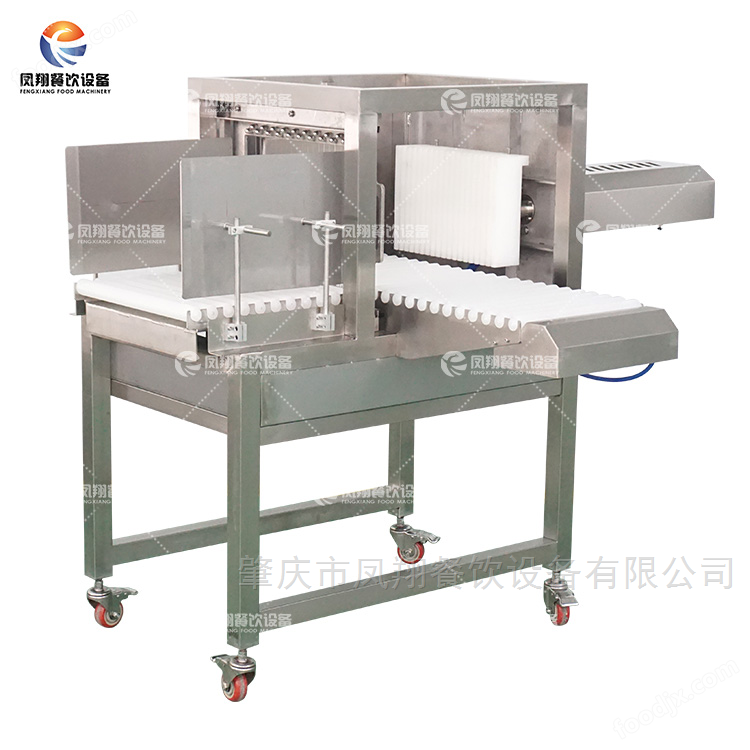
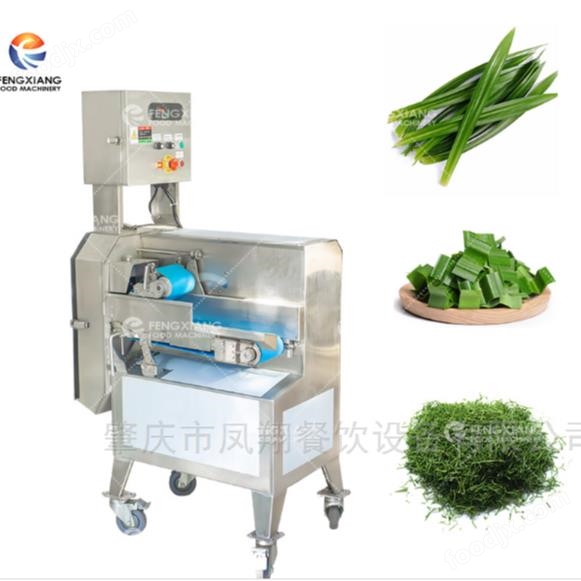
1. Small fruit peeler: Starting from automatic peeling, the machine efficiently removes the outer skin. Unlike manual peeling (which often leads to irregular incisions and fruit loss), it can simultaneously achieve six functions: peeling, cutting ends, puncturing, slicing, separating, and color protection. "One machine can handle six machines" (you can choose any of these functions). It can automatically find the height, thickness, and flatness of fruits, making it highly adaptable to irregular fruit shapes. The cutting blade automatically tracks changes in the shape of the fruit, resulting in low fruit damage. Used for peeling mangoes, pineapples, oranges, apples, kiwis, pears, persimmons, tangerines, lemons, cabbage, round eggplants, small taro and other fruits. It can also peel more than 20 types of fruits such as avocado, pomelo and guava.

2. Spray type bubble cleaning machine: The peeled pineapple is transported by a conveyor belt, and then enters the cleaning stage. The cleaning machine uses bubble water and a circulation system to clean the fruit. The gentle cleaning action protects the pineapple flesh while effectively removing dirt, pesticide residues, and microorganisms. Optional sterilization steps are available to improve food safety.

3. Drying equipment: After cleaning, the pineapple enters the drying section, where strong airflow quickly removes surface moisture. This not only improves the appearance of the product, but also prevents bacterial growth and prepares for packaging.

4. Packaging equipment: Finally, the pineapple enters the packaging system. According to customer requirements, this production line can be connected to pallet sealing machines, bagging machines, or boxing machines. This automated step ensures that each pineapple is neatly and hygienic packaged for retail or bulk distribution.

Mechanical equipment maintenance is a daily task that operators must perform to maintain the normal operation of machinery and extend its service life.
The 'Four Requirements' for Equipment Maintenance(1) Neat: Tools, workpieces, and accessories are placed neatly; Complete safety protection devices; The pipeline is complete.(2) Qinggu: Clean the inside and outside of the equipment; All sliding surfaces, screws, gears, racks, etc. are free of oil stains and collision damage; No oil leakage, no water leakage, no air leakage, no electric leakage in any part; Clean up the chips and garbage.(3) Lubrication: Add and change oil on time, and ensure that the oil quality meets the requirements; The oil pot, oil gun, oil cup, oil felt, and oil line are clean and complete, the oil label is bright, and the oil circuit is unobstructed.(4) Safety: Implement a system of fixed personnel, fixed machines, and shift handover; Familiarize oneself with equipment structure and follow operating procedures, use equipment reasonably, maintain equipment carefully, and prevent accidents.The content of on-site equipment maintenance and managementEquipment maintenance work can be divided into daily maintenance and regular maintenance according to time; According to the maintenance methods, it can be divided into general maintenance, regional maintenance, and key equipment maintenance. The maintenance work generally includes:; On site management and maintenance work including inspection, checking, adjustment, lubrication, disassembly, cleaning, and replacement.Regional maintenance of equipmentRegional maintenance of equipment refers to the division of an enterprise into several areas based on the quantity or type of equipment owned in the production area. Maintenance workers have clear division of labor and closely cooperate with operators to supervise and guide equipment operators in their respective areas to operate correctly, use reasonably, and maintain equipment carefully; Conduct patrol inspections, grasp the operation status of equipment, and undertake certain equipment maintenance work; Responsible for implementing assessment indicators such as equipment integrity rate and downtime rate within the district. Regional maintenance is a job responsibility system that strengthens equipment maintenance management to serve production and mobilizes the enthusiasm of maintenance workers.The job responsibilities of regional maintenance include:A、 Daily on duty maintenance workers actively inspect the installation level and accuracy of equipment within the responsible area, and make detailed records for archiving and future reference.C、 For precision equipment with special requirements for the environment (constant temperature, constant humidity, vibration prevention, dust prevention), enterprises should take corresponding measures to ensure that the accuracy and performance of the equipment are not affected.D、 Precision, rare, and critical equipment generally do not disassemble parts, especially optical components, during daily maintenance. When dismantling is necessary, it should be carried out by specialized repair workers. If any abnormal phenomena are found during the operation of the equipment, it should be stopped immediately and it is not allowed to operate with defects.E、 Strictly follow the processing range specified in the equipment manual, and do not use the equipment beyond specifications, weight, load, or pressure. Precision equipment is only allowed to be precision machined for direct use, with reasonable machining allowance. When machining castings or rough surfaces, sandblasting or painting should be carried out in advance.F、 The lubricating oil, wiping materials, and cleaning agents of the equipment must be used strictly in accordance with the instructions and cannot be used arbitrarily. Lubricating oil must pass the laboratory test and be filtered before being added to the oil tank.R、 Precision and rare equipment should be covered with protective covers during non working hours. If there is a long pause, regular wiping, lubrication, and air running should be carried out.W、 The accessories and special tools of the equipment should have a dedicated cabinet rack storage capacity, be kept clean, prevent rust and damage, and should not be borrowed or used for other purposes.Equipment lubrication is an important part of on-site use and maintenance of machinery and equipment. Proper and reasonable lubrication of equipment can reduce friction and wear of equipment components, extend equipment service life, fully utilize equipment efficiency, reduce functional losses, prevent equipment corrosion and thermal deformation, etc. On the contrary, neglecting equipment lubrication work and improper equipment lubrication will inevitably accelerate equipment wear, causing frequent equipment failures and accidents, accelerating the deterioration of equipment technical status, and affecting product quality and output. Therefore, equipment management, personnel, and maintenance personnel should all pay attention to the lubrication work of equipment.Standard for Oil Leakage Control of On site Production Equipment(1) Oil leakage: If the oil stains are not obvious and do not appear within five minutes after being wiped clean, it is called oil leakage.(2) Oil leakage: There are obvious oil stains, some forming oil droplets. Oil leakage occurs within five minutes after the oil stains or droplets are wiped clean.(3) Oil leakage point: If there is a clear oil stain or a droplet, it is an oil leakage point.(4) Non oil leakage equipment: If the static joint surface does not leak oil and the dynamic joint surface does not leak oil, it is a non oil leakage equipment. 80% of the joint surface does not leak oil, and the leaking part does not leak more than one drop within three minutes, which is considered a basically non leaking equipment.(5) Serious oil leakage equipment: If the equipment has any of the following conditions, or if one oil leakage point drops more than three drops of oil in one minute, it is a serious oil leakage equipment.(6) General oil leakage equipment: Any equipment that has oil leakage but is not severe enough to the above-mentioned extent is considered a general oil leakage equipment.(7) Qualified governance: The static joint surface does not leak oil, and the dynamic joint surface (except for all moving parts such as guide rails, screws, and light bars lubricated by hands) does not leak oil.