-
E-mail
ddxfvgdwm@163.com
-
Phone
13202009968
-
Address
No. 8 Lvyuan Avenue, Xinfeng Industrial Park, Ganzhou City, Jiangxi Province
Product Categories
Ganzhou Big Brother Cutting Tools Co., Ltd

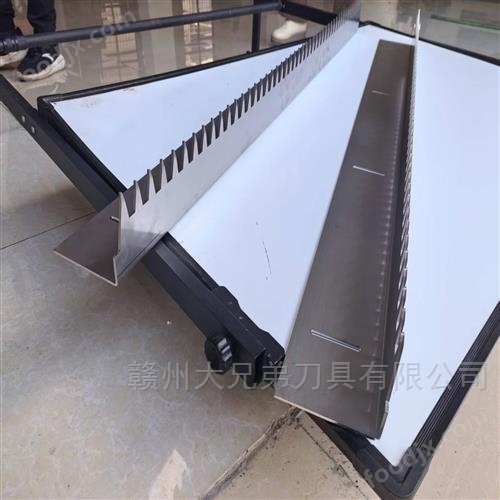
CNC cutting tools
NegotiableUpdate on 01/29
- Model
- Nature of the Manufacturer
- Producers
- Product Category
- Place of Origin
Overview
Numerical control cutting tools are specialized cutting tools used on computer numerical control (CNC) machining centers, lathes, milling machines, and other CNC machine tools. They are one of the core elements for modern manufacturing to achieve high-precision, high-efficiency, high automation, and flexible processing
Product Details
CNC cutting toolsExplanation and Introduction:
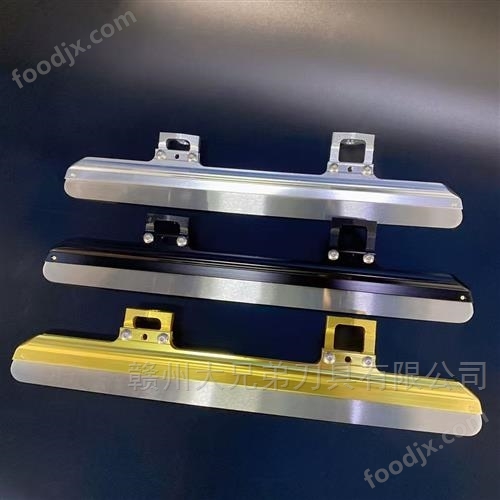
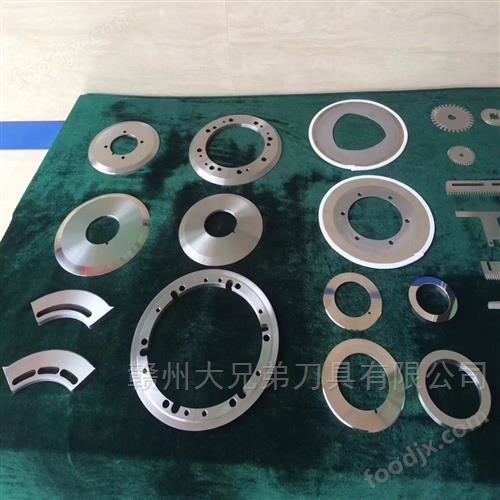
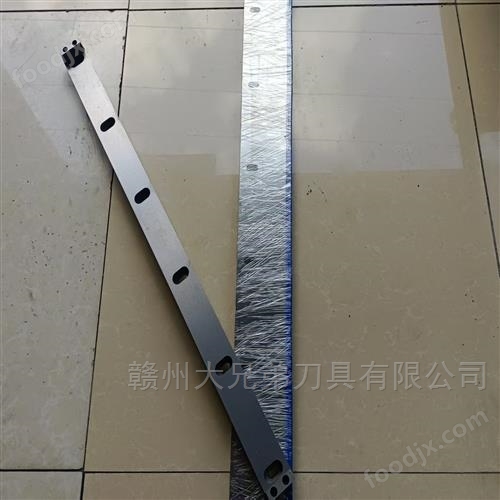
CNC cutting toolsIt is a specialized cutting tool used on CNC machining centers, lathes, milling machines, and other CNC machine tools. They are one of the core elements for modern manufacturing to achieve high-precision, high-efficiency, high automation, and flexible processing
1. Core features (different from ordinary cutting tools):
High precision: High geometric and dimensional accuracy are required to ensure the precision of machined parts.
High rigidity: able to withstand cutting forces and vibrations caused by high speed and large feed rates, maintaining stable machining.
High wear resistance/long life: Using high-performance materials (such as hard alloys, ceramics, CBN, PCD) and advanced coating technology, it maintains sharpness under harsh cutting conditions, reduces tool change frequency, and improves efficiency.
Good chip breaking and discharging performance: Designed with reasonable chip breaking grooves or discharging channels to ensure smooth discharge of chips and avoid entanglement with cutting tools or scratching the surface of the workpiece.
Good dynamic balance: Especially for high-speed rotating tools such as milling cutters and drill bits, strict dynamic balance testing must be conducted to prevent vibration during high-speed rotation, which may affect machining quality and tool life.
Standardization and modularization: standardization of tool holders (such as BT, HSK, CAT, CAPTO) and interfaces, facilitating quick tool changes and tool management. Modular design (handle+shank+head) improves flexibility and economy.
Predictability and consistency: High quality performance and lifespan are relatively stable and controllable, making it easy to develop processing techniques and predict maintenance cycles.
2. Main categories:
Divided by processing method:
Turning tools: used for CNC lathes/turning centers to machine rotating workpieces. Including external turning tools, internal boring tools, slotting tools, cutting tools, threading tools, forming tools, etc.
Milling tool: used for machining centers/milling machines to perform machining of planes, contours, cavities, holes, etc. There are many types:
End mill: cylindrical, ball head, nose shaped, used for side milling, contour milling, and profile milling.
Face milling cutter: large diameter, used for efficient milling of flat surfaces.
Slot milling cutters: such as T-shaped slot milling cutters and keyway milling cutters.
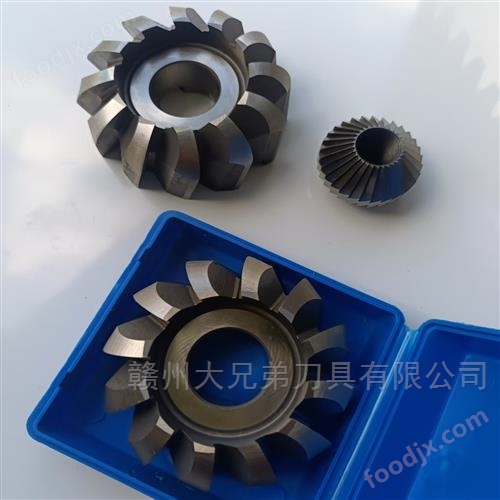
Angle milling cutter: for machining inclined surfaces and chamfers.
Forming milling cutter: Processing specific shapes.
Hole processing tools: drill bit (Fried Dough Twists drill, center drill, deep hole drill), reamer, spot facer (flat bottom, chamfer), tap (thread tapping).
Boring tools: precision machining holes to achieve high dimensional accuracy and surface smoothness.
Gear machining tools: rolling cutters, gear hobbing cutters, etc. (usually on specialized gear machines, but some CNC machines can also complete them).
Thread machining tools: thread turning tools, taps, thread milling cutters.
Divided by structure:
Integral cutting tool: The entire cutting tool is made of a single material (such as integral hard alloy end mills, drill bits). Good rigidity and high precision, commonly used for small diameters or precision machining.
Welded cutting tools: Hard alloy blades are welded onto steel cutting bodies. The cost is lower, but the accuracy and rigidity are slightly inferior to those of a monolithic structure.
Machine clamped/reversible cutting tools: currently the most mainstream form. Install replaceable hard alloy (or other material) blades on the blade body. Blades usually have multiple cutting edges, and one edge can be quickly rotated or replaced with a new one after wear or breakage, significantly improving efficiency and reducing costs. This is the key to high efficiency in CNC machining.
Modular cutting tools: composed of standardized modules (handle, extension rod, reducing sleeve, cutting head), with strong adaptability and convenient inventory management.
Classified by tool material:
High speed steel: good toughness, low price, but relatively poor hardness, wear resistance, and heat resistance. Mostly used for complex shaped cutting tools or low-speed machining.
Hard alloy: widely used. Made by sintering WC (tungsten carbide) and Co (cobalt) powders. High hardness, wear resistance, and good heat resistance. By adjusting the WC particle size and Co content, it can be classified into different grades (such as K/P/M) to adapt to different workpiece materials.
Ceramics: Excellent hardness, wear resistance, heat resistance (>1200 ° C), and good chemical stability. Suitable for high-speed precision machining of hardened steel, cast iron, high-temperature alloys, etc. But it is brittle and has poor impact resistance.
Cubic boron nitride: second only to diamond in hardness, with good thermal stability (>1400 ° C). **Mainly used for processing high hardness (>45HRC) black metals, such as quenched steel, chilled cast iron, high-speed steel, etc. The processing effect and efficiency are far superior to hard alloys and ceramics.
Polycrystalline diamond: has the highest hardness, excellent wear resistance, and good thermal conductivity. Mainly processing non-ferrous metals (aluminum, copper and their alloys) and non-metallic materials (composite materials, graphite, ceramics), with high efficiency and long service life. Not suitable for processing iron-based metals (chemical reactions).
Classified by coating (applied to hard alloys, HSS blades/cutting tools):
1: TiN (titanium nitride): golden yellow, versatile, and improves wear resistance.
2: TiCN (Titanium Nitride): Blue gray, with better hardness and wear resistance than TiN.
3: TiAlN (nitrogen aluminum titanium): purple gray, good high-temperature oxidation resistance (up to 800 ° C or above), suitable for high-speed dry or semi dry cutting.
4: AlTiN (aluminum titanium nitride): black or dark purple, with higher Al content, better high-temperature oxidation resistance (>900 ° C), and higher hardness.
5: CrN (chromium nitride): silver gray, low friction coefficient, good anti adhesion, commonly used for processing viscous materials such as stainless steel, titanium alloys, and aluminum alloys.
6: DLC (Diamond like Coating): With extremely low friction coefficient, high hardness, and good adhesion resistance, it is suitable for processing non-ferrous metals, graphite, and composite materials.
Multi layer composite coating: Combining the advantages of multiple coatings for better performance.
3. Key factors for selection:
Workpiece material: It is the primary basis for selection, determining the tool material and coating type (such as selecting P-type hard alloy/TiAlN coating for processing steel; Choose K-type hard alloy/uncoated or DLC for processing aluminum.
Processing type/process: rough machining, precision machining, slotting, drilling, tapping, turning outer circle, boring, etc., determine the tool type and geometric angle.
Processing requirements: dimensional accuracy, form and position tolerances, surface roughness requirements.
Machine conditions: Machine power, rigidity, maximum speed, tool holder type (BT/HSK, etc.), cooling method (dry cutting/wet cutting/micro lubrication).
Cutting parameters: expected cutting speed, feed rate, cutting depth.
Cost and efficiency: Pursuing higher metal removal rates and lower unit costs while meeting processing requirements (taking into account tool prices, lifespan, and processing time).
4. Common problems:
Tool wear: wear on the rear cutting surface, wear on crescent shaped grooves, wear on the edges, etc. Reasonable selection of tool materials, coatings, cutting parameters, and coolant is required.
Tool chipping/breakage: often caused by impact loads, vibration, insufficient clamping rigidity, and improper cutting parameters.
Vibration (chatter): affects surface quality and tool life. Need to optimize tool overhang, increase rigidity, adjust cutting parameters, and use vibration reducing tool holders.
*Chip accumulation tumor: It is prone to occur during the processing of viscous materials or at low speeds. Improve cutting speed, use sharp cutting edges, and select appropriate coatings/coolant.
*Poor chip removal: causing chips to scratch the workpiece or entangle the tool. Optimize chip groove design, cutting parameters, coolant pressure and flow rate.
5. Development Trends
*Higher performance materials and coatings: such as ultrafine/nanocrystalline hard alloys, new ceramic/CBN/PCD materials, and multi-layer/nanostructured coatings that are more wear-resistant and heat-resistant.
*Intelligent cutting tools: Integrated sensors (force, temperature, vibration, wear monitoring) to achieve process monitoring, tool status prediction, and adaptive control.
*Specialization and Customization: Develop highly optimized cutting tools for specific materials and processes.
*Promote dry cutting and micro lubrication technology in green manufacturing to reduce the use of coolant; Develop longer lasting cutting tools to reduce resource consumption.
*Digitization and intelligent management: The tool management system is integrated with MES/ERP to achieve full lifecycle management of tools (procurement, inventory, preparation, use, grinding, scrapping).