-
E-mail
13384303373@163.com
-
Phone
13384303373
-
Address
No. 468 Yinjin Road, Jingyue High tech Development Zone, Changchun City, Jilin Province
Product Categories
- High-temperature extensometer
- Thermal expansion measuring instrument
- High and low temperature environmental chamber
- High temperature vacuum furnace
- Endurance creep testing machine
- force sensor
- Low temperature environment device
- Microscopic in-situ nanomechanical testing equipment
- Oil source pipeline system
- High temperature atmospheric furnace
- actuator
- Multi channel data acquisition controller
- Specialized component fatigue test bench
- impact testing machine
- vibration table
Changchun Deli Measurement and Control Test System Co., Ltd

Ultra low temperature testing device
NegotiableUpdate on 10/31
- Model
- Nature of the Manufacturer
- Producers
- Product Category
- Place of Origin
Overview
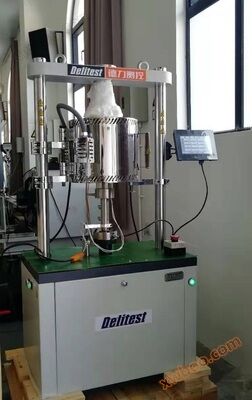
DKCD series ultra-low temperature testing device testing analysis: Low temperature tensile, compression, bending, shear, fracture toughness, dynamic mechanical fatigue, etc. Temperature range: 4K-473K (-269 ℃ -200 ℃) Materials often exhibit "strange" mechanical behavior at low temperatures
Product Details
DKCD series ultra-low temperature testing device
test analysisLow temperature stretching, compression, bending, shearing, fracture toughness, dynamic mechanical fatigue, etc
Temperature range: 4 K-473 K (-269 ℃ -200 ℃)
Materials often exhibit "peculiar" mechanical behavior at low temperatures. Obtaining mechanical performance data of materials at various temperature points in the low-temperature region is necessary to understand the mechanical behavior of materials as they change with temperature, and thus reveal the laws of material mechanical behavior in greater depth. Accurately measuring the mechanical properties of materials in low-temperature environments is of great significance for fundamental research in materials, mechanics, physics, and the development of high-precision technology applications. To study the mechanical behavior of materials at low temperatures, a material low-temperature mechanical performance testing system is one of the essential and important equipment. For example, in September 2014, Science magazine reported the excellent low-temperature mechanical properties of CrMnFeCoNi high entropy alloy (A fracture resistant high-entropy alloy for cryogenic applications, Science 2014: Vol. 345 no. 6201 pp. 1153-1158 DOI: 10.1126/science. 1254581). The achievement of this result could not have been achieved without the support of low-temperature mechanical property testing equipment at Lawrence Berkeley National Laboratory in the United States.
The low-temperature comprehensive mechanical testing system can perform mechanical property testing of materials in low-temperature environments (any temperature within the temperature range of 4.2K-300K (-269 ℃ - room temperature)), including static mechanical properties such as tension, compression, bending, shear, torsion, fracture toughness, etc; Fatigue crack propagation rate; Fatigue performance tests such as tensile fatigue, tensile compression fatigue, compressive compression fatigue, torsional fatigue, and tensile (compressive) torsional composite fatigue. At the same time, it also includes mechanical and electrical performance testing of superconducting materials (low-temperature superconducting wires, high-temperature superconducting tapes) when loaded with current; Low temperature mechanical performance testing of non-standard specimens and components.
basic system
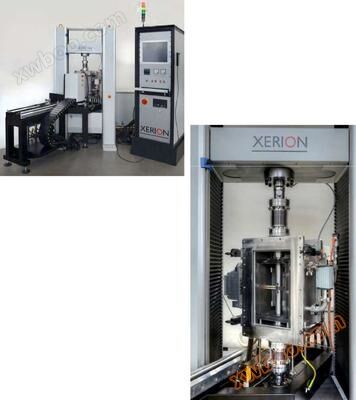
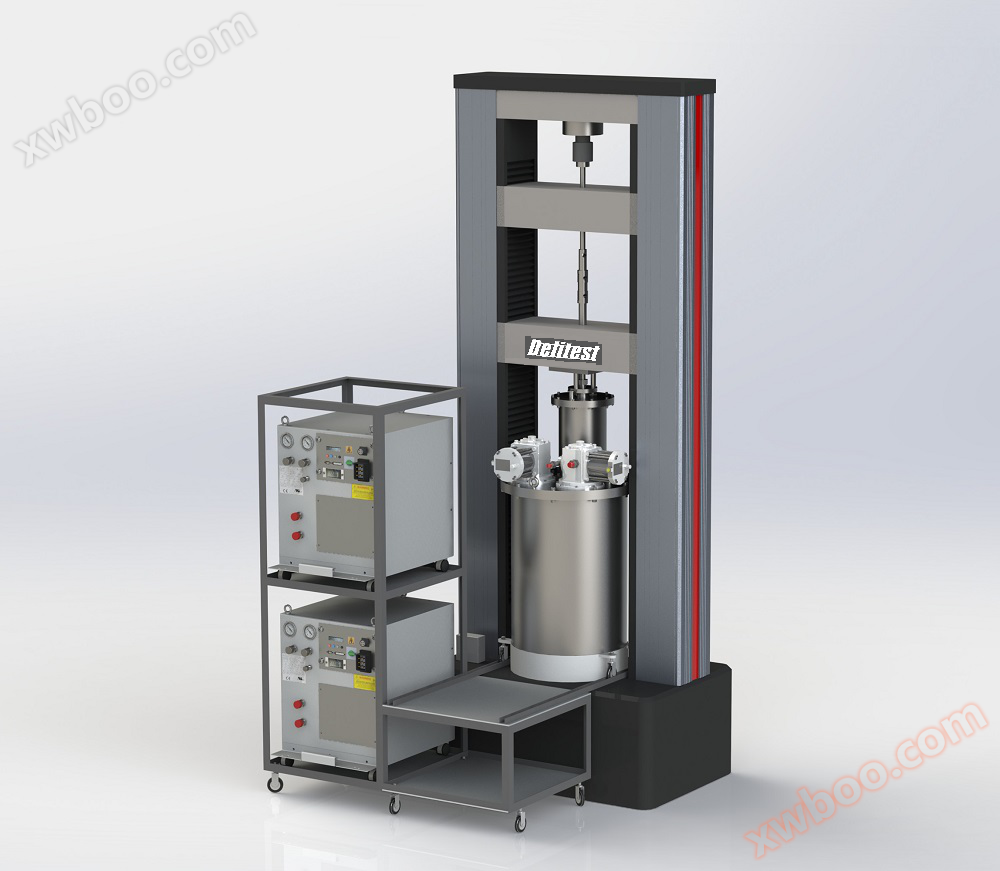
The main components of the material low-temperature mechanical performance testing system include customized material mechanics testing machines, low-temperature mechanical structure systems, specialized low-temperature mechanical fixtures, low-temperature thermostats, low-temperature temperature controllers, measurement and control instruments, and data acquisition and processing systems.
Low temperature mechanical fixture
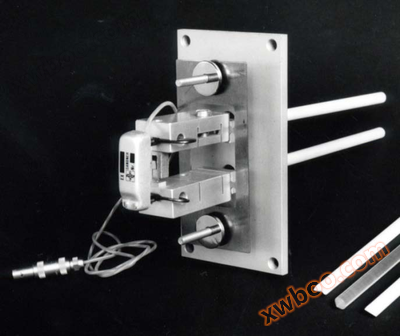
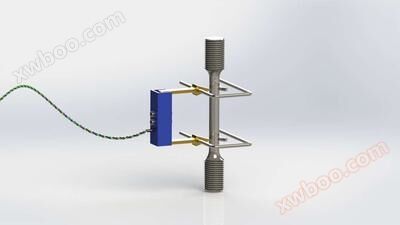
Develop specialized fixtures for different testing projects and test specimens based on the requirements of low-temperature mechanical performance testing and relevant national and American standards for low-temperature mechanical performance testing. For example, low-temperature stretching fixtures, low-temperature compression fixtures, low-temperature three-point bending fixtures, low-temperature fatigue crack propagation rate fixtures, superconducting wire/tape fixtures, etc.
temperature range |
50 K -RT(-223℃ - room temperature)
10 K -RT(-263℃ - room temperature)
4.2 K -RT(-269℃ - room temperature)
|
temperature control |
Refrigeration machine cooling |
Similar Product Recommend