-
E-mail
353742707@qq.com
-
Phone
15532167582
-
Address
Hecheng Street Industrial Park, Xian County, Cangzhou City, Hebei Province
Product Categories
- Highway and railway testing instruments
- Cement testing instrument
- Traffic safety testing equipment
- Indoor environment detection instrument
- Highway testing equipment
- Concrete mixing plant testing instrument
- Second hand universal material testing machine
- Construction engineering testing instruments
- Steel bar testing instrument
- Building energy-saving testing instruments
- Asphalt testing instrument
Hebei Ruida Construction Instrument Equipment Co., Ltd
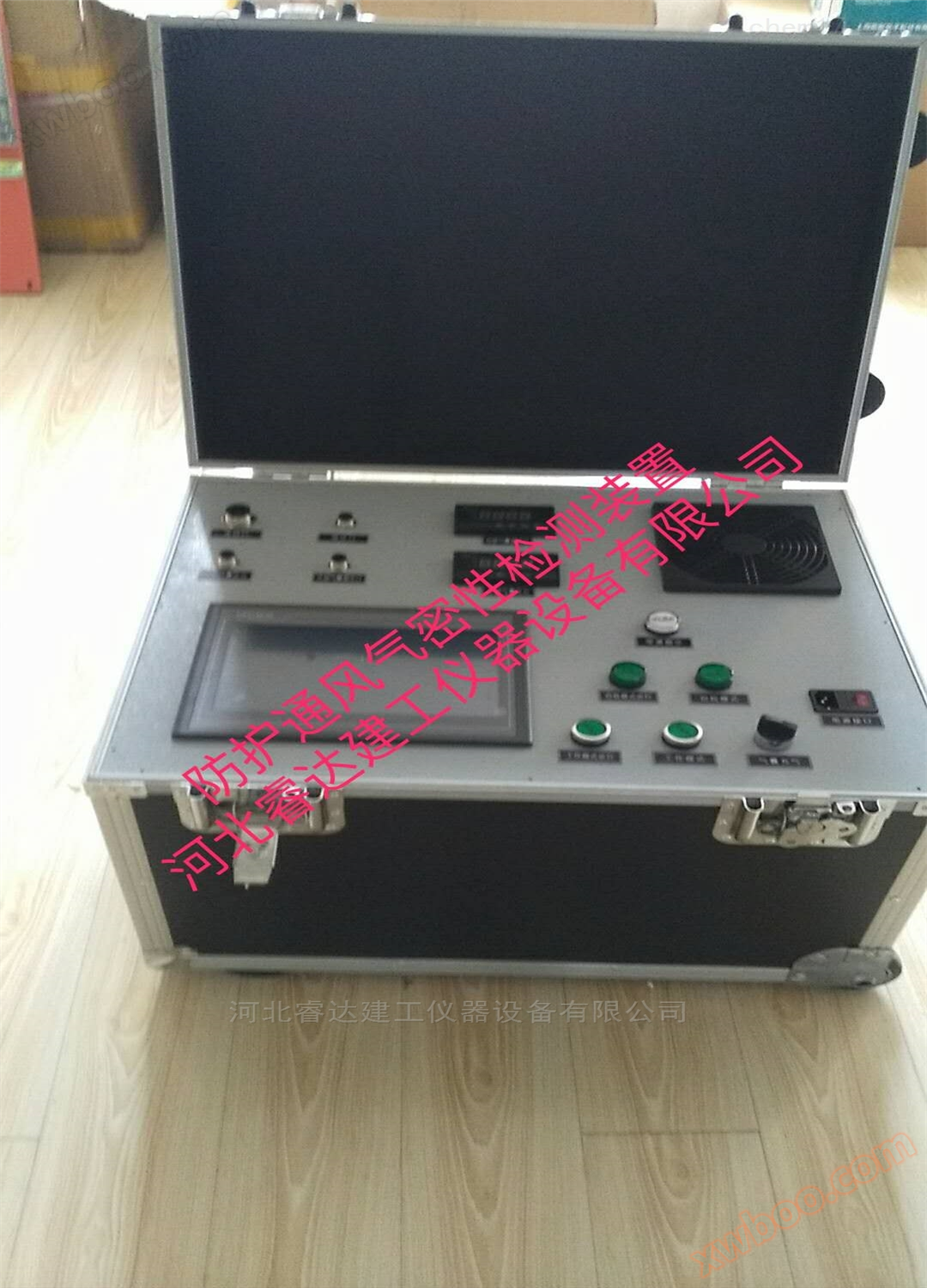
Protective ventilation airtightness testing device, civil air defense engineering testing instrument
NegotiableUpdate on 06/15
- Model
- Nature of the Manufacturer
- Producers
- Product Category
- Place of Origin
Overview
Brief description: The protective ventilation airtightness detection device and civil air defense engineering detection instrument are reliable technical measures to ensure the ventilation and protection capabilities of wartime ventilation systems in civil air defense engineering
Product Details
Product Introduction
Protective ventilation airtightness testing device, civil air defense engineering testing instrument
Detailed introduction of protective ventilation airtightness testing device:
Testing and inspecting the airtightness of the wartime ventilation system in civil air defense engineering is a reliable technical measure to ensure its ventilation and protection capabilities. In the past, due to the lack of testing technology, this work was not carried out, resulting in the inability to guarantee the ventilation quality of the engineering during wartime. It cannot prevent inferior electric airtight valves and air duct accessories from flowing into the engineering, and secondly, it cannot ensure the construction quality of the engineering. This not only poses a major safety hazard to the engineering, but also brings an impact on the market order of civil air defense equipment and is not conducive to the healthy development of civil air defense quality supervision work. The wartime ventilation airtightness testing device for civil air defense engineering can be used for on-site testing of the wartime ventilation airtightness of civil air defense engineering.
Device form: portable
Function of the device: It can detect the airtightness of ventilation systems, valves, and pipelines in civil air defense engineering during wartime, and also provide testing for the airtightness of the entire project
Detection method: flow method
Detection accuracy: ± 3% FS, the detection accuracy has been verified by the national metrology department
Function of the device: It can provide testing methods and technology for civil air defense quality inspection departments, testing companies, and engineering management departments
System composition: original price detection, original calibration, and restart detection control box composition
Protection: The device has been granted national utility model and has applied for national invention
Protective ventilation airtightness testing device, civil air defense engineering testing instrument
Characteristics of the protective ventilation airtightness detection device:1. Easy to carry 2. Easy to operate 3. Protection
Introduction to detection principle:
The detection is divided into two steps:
*Step by step to calibrate the airtightness of the detection element (* airbag). Place the calibration element (second airbag) and the detection element (* airbag) successively in a section of the ventilation duct of the tested ventilation system. Use an inflation pump to inflate the two airbags separately, so that they are in close contact with the tested circular duct. The enclosed channel space formed between the two airbags is called the calibration tubeAt this time, the variable frequency fan is started, and the fan outputs air through the detection tube. The micro flowmeter inflates the calibration tube. When the air pressure in the calibration chamber reaches the set pressure, if the detected flow rate value of the micro flowmeter is less than the specified value, it indicates that the airtightness of the detection component is qualified, and subsequent ventilation system airtightness testing can be carried out.
When testing the airtightness of the ventilation system in the second step, close the manual electric airtight valve being tested in the pipeline, keep the detection element (* airbag) inflated, and discharge the gas from the calibration element (second airbag). This forms a larger chamber between the detection element (* airbag) and the manual electric airtight valve being tested. Start the variable frequency fan and inflate the chamber. After stabilization, the measured value displayed by the flow meter is the leakage value of the ventilation system, which can be used to measure the airtightness of the ventilation system.
Similar Product Recommend