-
E-mail
13384303373@163.com
-
Phone
13384303373
-
Address
No. 468 Yinjin Road, Jingyue High tech Development Zone, Changchun City, Jilin Province
Product Categories
- High-temperature extensometer
- Thermal expansion measuring instrument
- High and low temperature environmental chamber
- High temperature vacuum furnace
- Endurance creep testing machine
- force sensor
- Low temperature environment device
- Microscopic in-situ nanomechanical testing equipment
- Oil source pipeline system
- High temperature atmospheric furnace
- actuator
- Multi channel data acquisition controller
- Specialized component fatigue test bench
- impact testing machine
- vibration table
Changchun Deli Measurement and Control Test System Co., Ltd
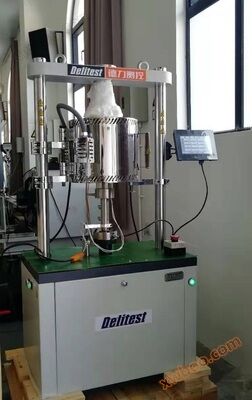
DKYH series nano micro indentation instrument
NegotiableUpdate on 03/26
- Model
- Nature of the Manufacturer
- Producers
- Product Category
- Place of Origin
Overview
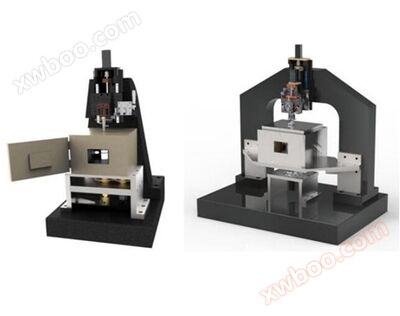
The DKYH series nano micro indentation tester is a testing equipment jointly developed with a research team from Jilin University
Product Details
DKYH seriesNano micro indentation instrument
This series of experimental equipment was jointly developed with a research team from Jilin University.
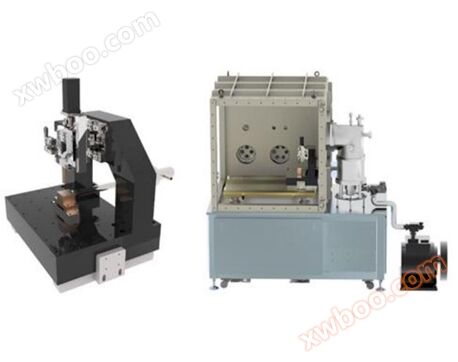
1. Low temperature micro nano indentation tester
Based on the current research status and existing problems of low-temperature micro nano indentation testing technology, combined with the existing basic theory of nano indentation testing, precision driving technology, precision detection technology, and low-temperature refrigeration methods, a commercial low-temperature micro nano indentation tester is developed and produced.The international first platform provides precise technical support for low-temperature superconducting technology, condensed matter physics, material preparation, life sciences, aerospace, and interstellar exploration. It is easy to expand and has simple connections. It can be configured with 2-4 channels, and the frequency range of each channel is optional
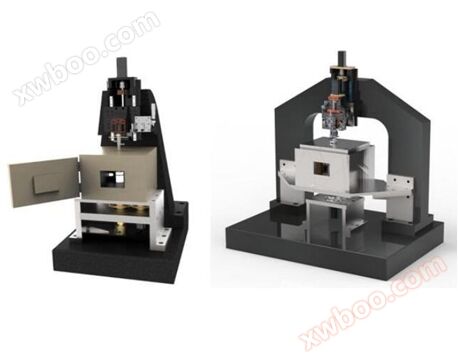
2. High temperature micro nano indentation testing instrument
The world's first commercial high-temperature micro nano indentation tester provides precise technical support for material preparation, life sciences, aerospace, and interstellar exploration.
Force resolution: 1mN (room temperature), 4mN (high temperature); 9mN (room temperature), 20mN (high temperature); 50mN (at room temperature)200mN (high temperature) (series)High temperature heating chamber optional
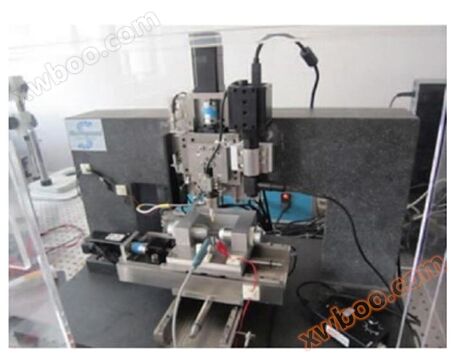
3. Multi physics micro nano indentation tester
Accuracy level meets ISO14577 international standard
Magnetic field resolution: 1Oe
Sample size: millimeter level
Basic parameters such as measurable indentation load indentation depth curve, material hardness, elastic modulus, etc
Equipped with a control host, dedicated detection and control system, and supporting analysis and processing software
4. Product achievements
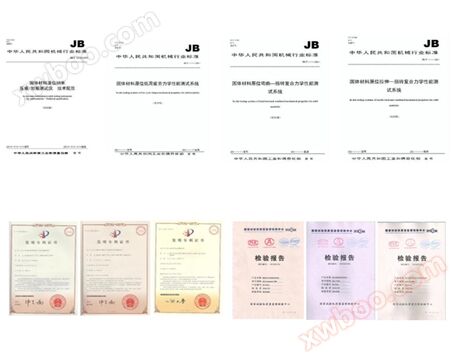
Develop 4 national machinery industry standards; Obtained 3 independent intellectual property patents; The developed instrument has passed the quality inspection of the National Testing Machine Quality Supervision and Inspection Center. (The left image contains 4 national machinery industry standards, 3 intellectual property patents, and a report from the National Quality Inspection Center)
Similar Product Recommend