-
Phone
13465650196
-
Address
Huanghua Town West Industrial Park, Zhucheng City, Shandong Province
Product Categories
- Oil water separation equipment
- Blocking and conveying equipment
- Dosing device
- Filtration, sedimentation, and sand removal equipment
- Belt type sludge filter press
- anaerobic reactor
- Paper plastic separation equipment
- MBR membrane bioreactor
- industrial wastewater treatment equipment
- Mechanical grid cleaning machine
- Hospital sewage treatment equipment
- Scraper and suction machine
- Buried sewage treatment equipment
- Air flotation equipment
- Integrated sewage treatment equipment
- Slaughter wastewater treatment equipment
- Mechanical grille
Shandong Jinshuanglian Environmental Protection Equipment Co., Ltd
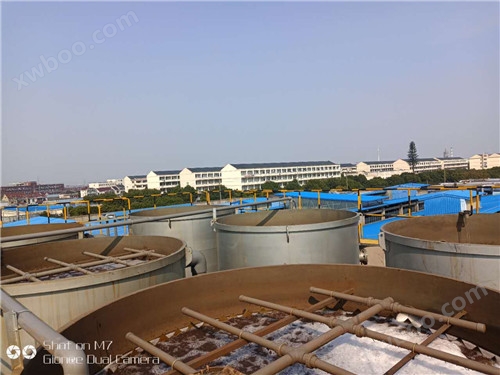
Effect of Printing and Dyeing Wastewater Treatment
NegotiableUpdate on 05/04
- Model
- Nature of the Manufacturer
- Producers
- Product Category
- Place of Origin
Overview
Effect of Printing and Dyeing Wastewater Treatment
Product Details

| Effect of Printing and Dyeing Wastewater Treatment |
|
|
|
The textile printing and dyeing industry is a major emitter of industrial wastewater. Wastewater contains various dyes, slurries, surfactants, and other additives. The characteristics of wastewater are high organic concentration, complex composition, poor biodegradability, high and variable chromaticity, and large changes in water quality and quantity, making it a difficult industrial wastewater to treat. |
1


